
 Save
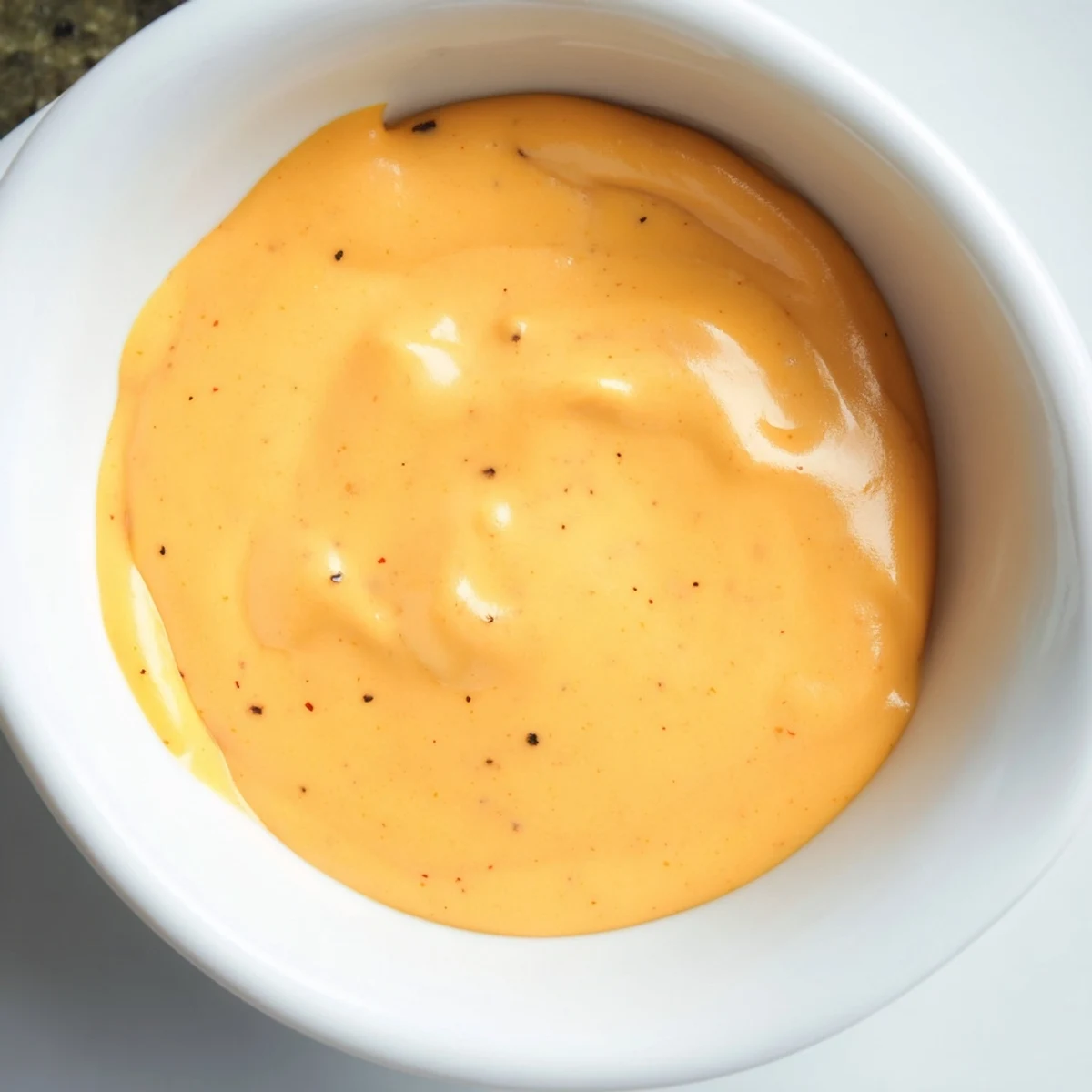
Save This velvety homemade cheddar sauce comes together in just 15 minutes, using simple pantry staples along with freshly grated sharp cheddar. The roux-based method ensures a perfectly smooth texture every time, while Dijon mustard and a touch of hot sauce add that signature tangy kick. Cayenne pepper brings gentle warmth that balances the rich creaminess.
I love grating my own cheese rather than using pre-shredded—it melts so much better without those anti-caking agents interfering. This sauce transforms plain steamed vegetables, elevates a bowl of tortilla chips, or takes baked potatoes from ordinary to extraordinary.
The smell of sharp cheddar hitting hot roux still pulls me back to late nights hovering over the stove, whisk in one hand, tortilla chips in the other. My roommate taught me the real trick during a marathon nacho session: patience with the heat and never, ever using pre-shredded cheese. Something about those anti-caking agents turns perfectly good cheese into a grainy disappointment.
Last Super Bowl, I accidentally tripled the recipe when friends kept streaming through the door. The sauce stayed perfectly smooth in a slow cooker on warm for three hours, and honestly, the pretzels disappeared faster than the chips.
Ingredients
- Sharp cheddar cheese: Freshly grated is non-negotiable here—the blocks melt into velvet while pre-shredded turns grainy and separated
- Whole milk: Creates that luxurious restaurant-style texture, though 2% works in a pinch
- Unsalted butter: Lets you control the final salt level since cheese already brings plenty
- All-purpose flour: The foundation of your roux, giving the sauce body and cling
- Dijon mustard: Adds a tangy depth that makes people wonder what your secret ingredient is
- Hot sauce: Just enough to wake up the flavors without overwhelming the cheese
- Garlic powder: Distributes evenly throughout the sauce unlike fresh garlic
- Cayenne pepper: Optional, but recommended if you like that gentle background heat
- Kosher salt and black pepper: Essential for balancing the rich dairy
Instructions
- Build your base:
- Melt butter in a medium saucepan over medium heat, then whisk in flour constantly for about 1 minute until it forms a smooth paste without any browning
- Add the milk:
- Gradually whisk in the milk, cooking and stirring frequently until the mixture thickens and just reaches a gentle simmer, about 2 to 3 minutes
- Season the base:
- Lower heat to low and stir in Dijon mustard, hot sauce, garlic powder, cayenne if using, salt, and pepper until fully incorporated
- Melt in the cheese:
- Add grated cheddar one handful at a time, whisking until completely smooth before adding more, until all cheese is melted and the sauce is glossy
- Taste and serve:
- Give it a final taste, adjust seasoning if needed, and serve immediately while hot and velvety
 Save
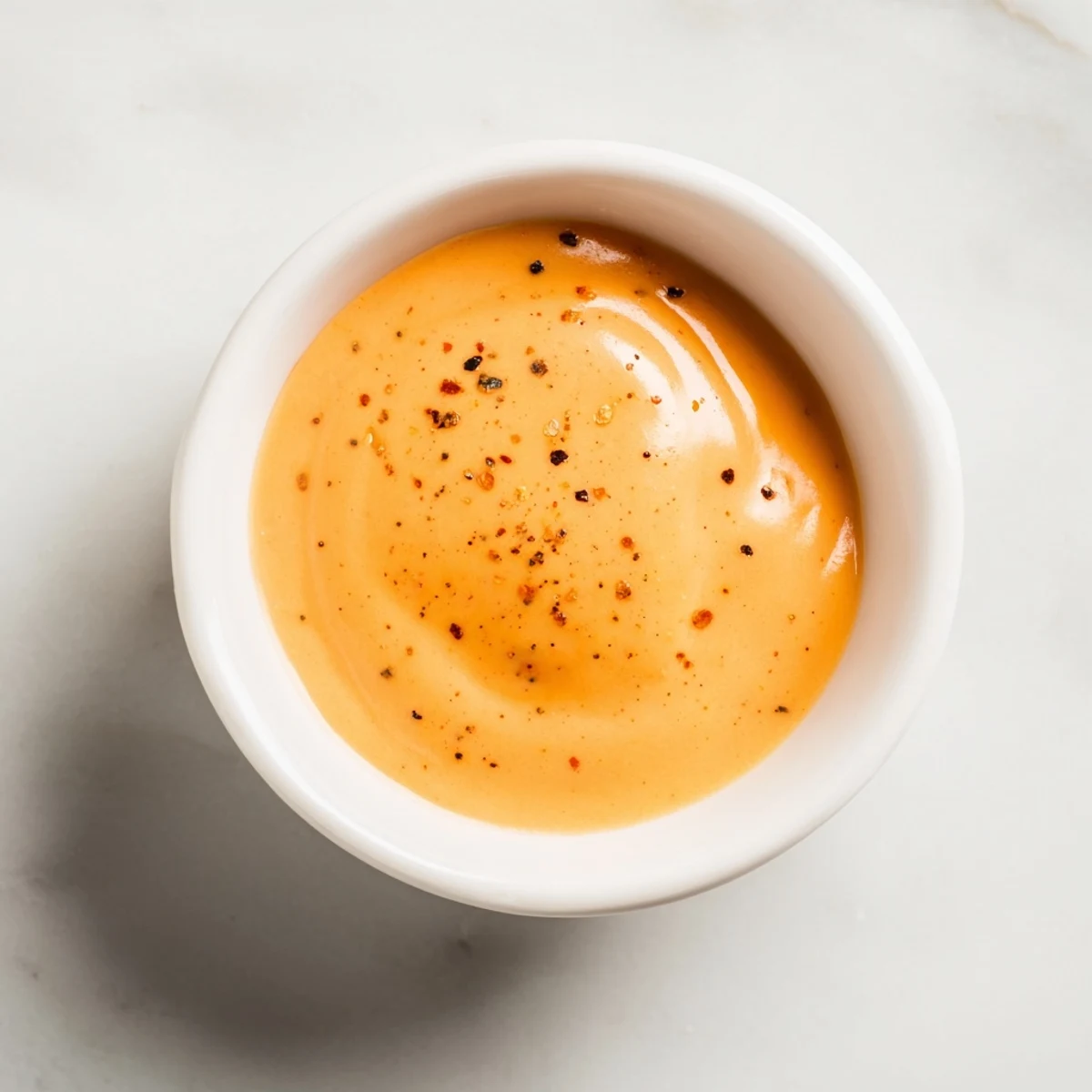
Save This became my go-to contribution to potlucks after someone called it liquid gold at a holiday party. Something about warm, spiced cheese makes people gather around the serving dish and stay there talking longer than they intended.
Make It Ahead
Cheese sauce reheats beautifully if you do it gently. Store it in an airtight container in the refrigerator for up to 3 days, then reheat in a saucepan over low heat, adding a splash of milk to bring back the silky texture. The microwave works too—just heat in 30-second bursts, stirring between each, until smooth and hot again.
Serving Ideas
Beyond nachos, this sauce transforms simple vegetables into something kids actually beg for. Pour it over steamed broccoli or roasted cauliflower, use it as a dip for soft pretzels, or drizzle it over baked potatoes loaded with bacon and scallions. My personal favorite is swirling a spoonful into scrambled eggs right at the end—breakfast becomes an event.
Troubleshooting
If your sauce turns grainy, it usually means the cheese got too hot or was added too quickly. You can sometimes rescue it by cooling it slightly and whisking in a little cold milk, though prevention is easier. Keep the heat gentle and add cheese gradually, letting each handful fully melt before reaching for more.
- White spots on the surface are normal fat separation—just whisk them back in as you reheat
- Too thick? Warm milk is your friend, added tablespoon by tablespoon
- Too thin? Let it simmer a minute longer, but watch closely—thickening happens fast
 Save
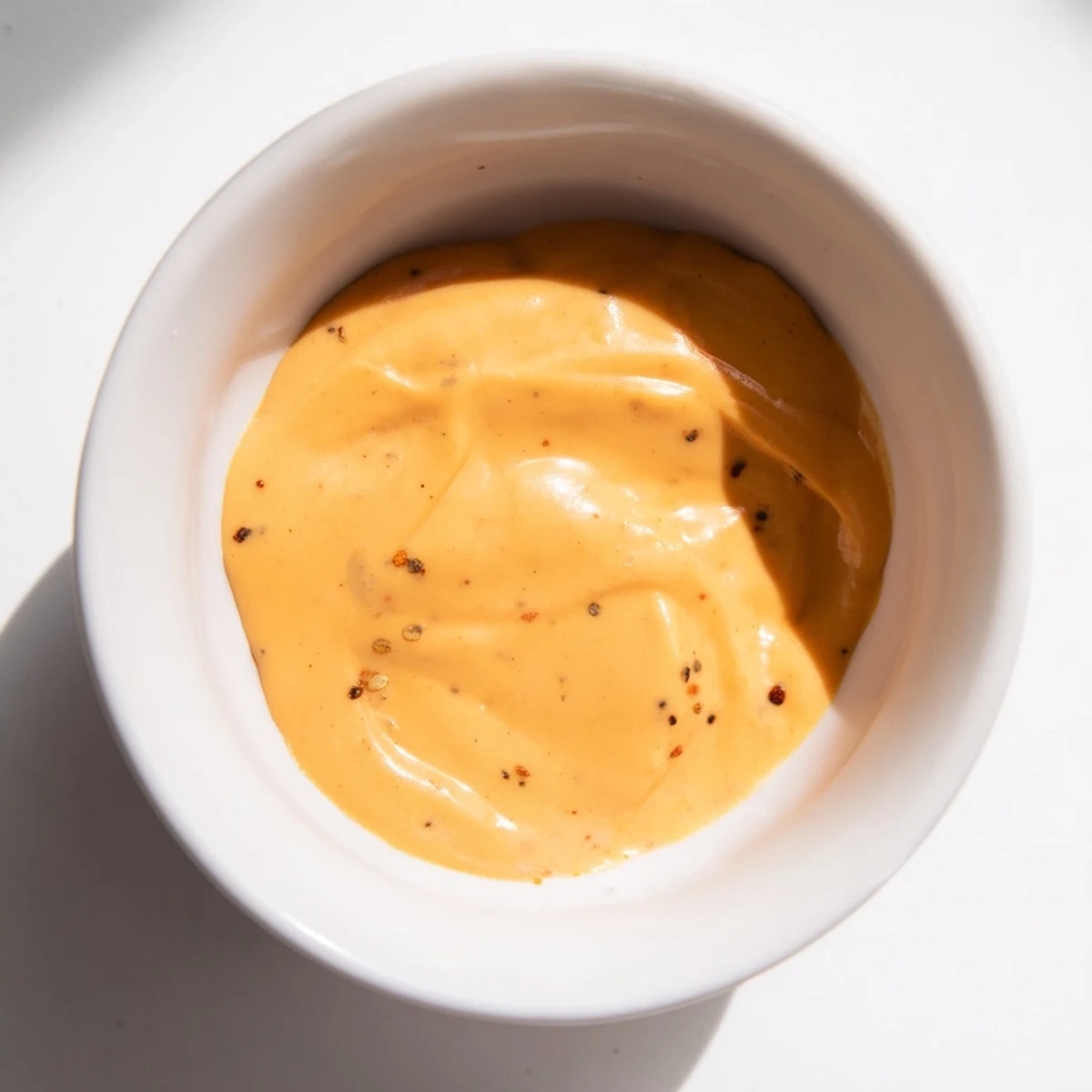
Save There is something deeply satisfying about a homemade cheese sauce that turns ordinary food into a treat. Whether it is movie night or a Tuesday dinner, this recipe makes everything taste like a celebration.
Common Questions
- → Can I make this sauce ahead of time?
-
Yes, you can prepare it up to 2 days in advance. Store in an airtight container in the refrigerator. Reheat gently over low heat, adding a splash of milk if needed to restore the creamy consistency.
- → Why use freshly grated cheese instead of pre-shredded?
-
Freshly grated cheddar melts smoothly without clumping. Pre-shredded cheese contains anti-caking agents that can give your sauce a grainy texture. Those extra 2 minutes of grating make all the difference.
- → What can I substitute for the whole milk?
-
Half-and-half creates an even richer sauce. For a lighter version, 2% milk works, though the sauce will be slightly less creamy. Avoid skim milk—it doesn't provide enough fat for proper emulsification.
- → How do I prevent the sauce from separating?
-
Keep the heat low once you add the cheese—high heat can cause dairy to separate. Whisk continuously and add cheese gradually, letting each handful fully melt before adding more.
- → Can I freeze leftover sauce?
-
Freezing isn't recommended—the texture often becomes grainy and separate upon thawing. It's best enjoyed fresh or refrigerated for up to 2 days.
- → What other cheeses work well in this sauce?
-
Gruyère adds nutty depth, while pepper Jack brings extra heat. For a milder blend, mix cheddar with Monterey Jack. Just keep the total cheese amount at 2 cups.