
 Save
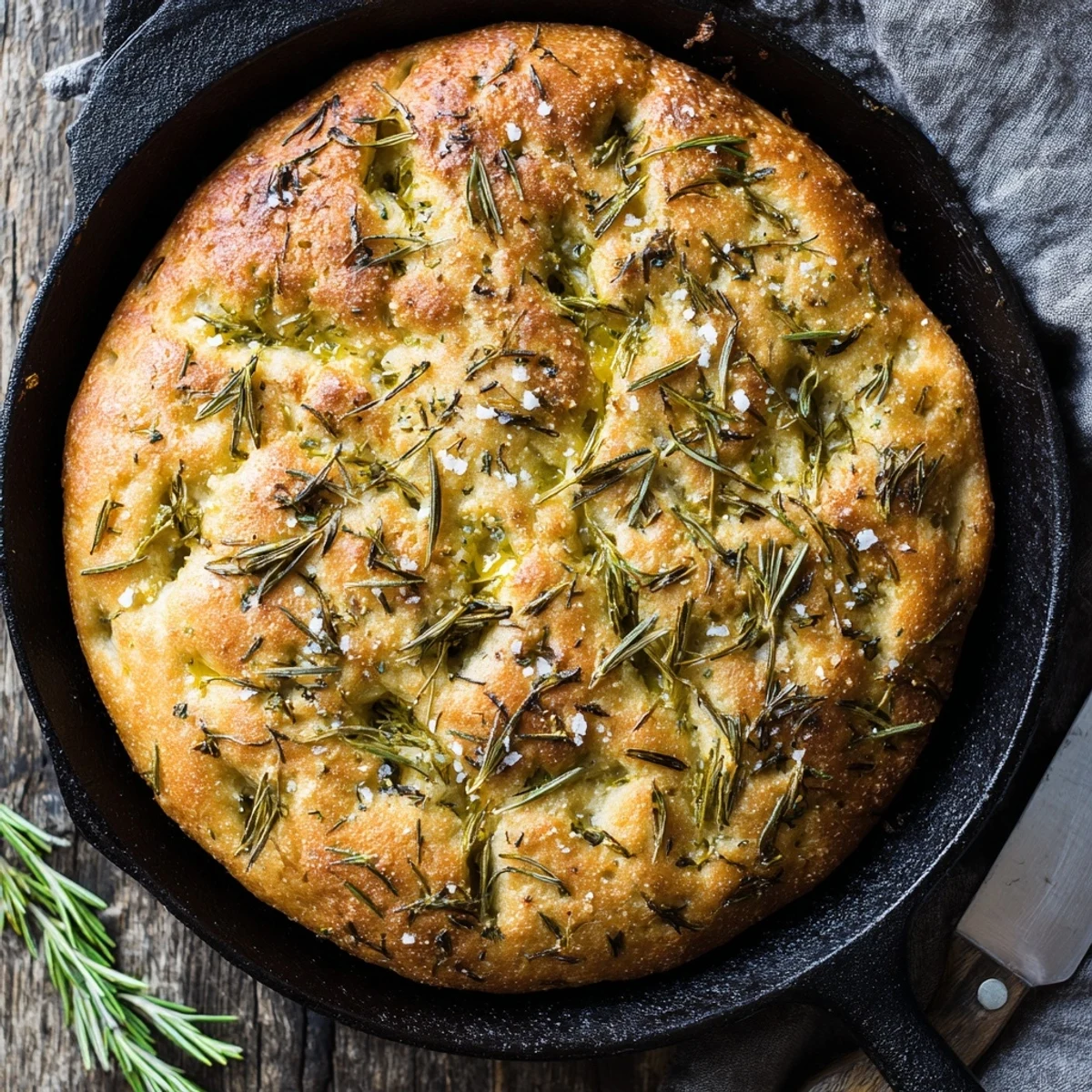
Save This rustic skillet bread delivers irresistible aromas and textures. The combination of roasted garlic and fresh rosemary creates an aromatic profile that fills your kitchen while baking. With a golden, crispy crust and tender, chewy interior, each slice offers perfect contrast. The cast-iron skillet method ensures even heat distribution for consistent results throughout.
Preparation is straightforward—mix, rise, and bake. The dough develops wonderful flavor during the two-hour rise period, while the final brush of olive oil and sprinkle of flaky sea salt creates that restaurant-quality finish. Serve warm alongside soups, stews, or simply with extra olive oil for dipping.
The way my tiny apartment filled with the smell of rosemary and garlic that first winter I tried making skillet bread changed everything. I had no idea bread could be this simple or this rewarding. My roommate kept poking her head into the kitchen asking if it was done yet.
My neighbor knocked on my door holding a container of soup because she could smell the bread baking through the hallway. We ended up eating half the loaf standing right there in her kitchen while it was still too hot to touch properly. Some foods just bring people together like that.
Ingredients
- Bread flour: Higher protein content gives this bread its structure and chew so dont be tempted to use all purpose
- Active dry yeast: Make sure your water is warm like bath water not hot or the yeast will never wake up properly
- Fresh rosemary: Dried herbs work in a pinch but fresh rosemary releases oils that bake into every bite
- Garlic: Minced fresh garlic melts into the dough creating pockets of intense savory flavor
- Olive oil: Use the good stuff here because it really shines in the final flavor
- Flaky sea salt: The finishing touch that adds crunch and highlights all the other flavors
Instructions
- Wake up the yeast:
- Stir the yeast into warm water and give it 5 minutes to get foamy and alive
- Build the dough:
- Mix in flour and salt until shaggy then knead until the dough feels smooth and slightly tacky
- Add the magic:
- Fold in olive oil rosemary and garlic until evenly distributed throughout
- Let it rise:
- Cover the bowl and walk away for an hour until its doubled in size
- Shape it:
- Press the dough into an oiled cast iron skillet and let it puff up again
- Get it hot:
- Preheat your oven to 425°F while the dough has its second rise
- Finish it:
- Brush with oil sprinkle with salt and bake until deeply golden
 Save
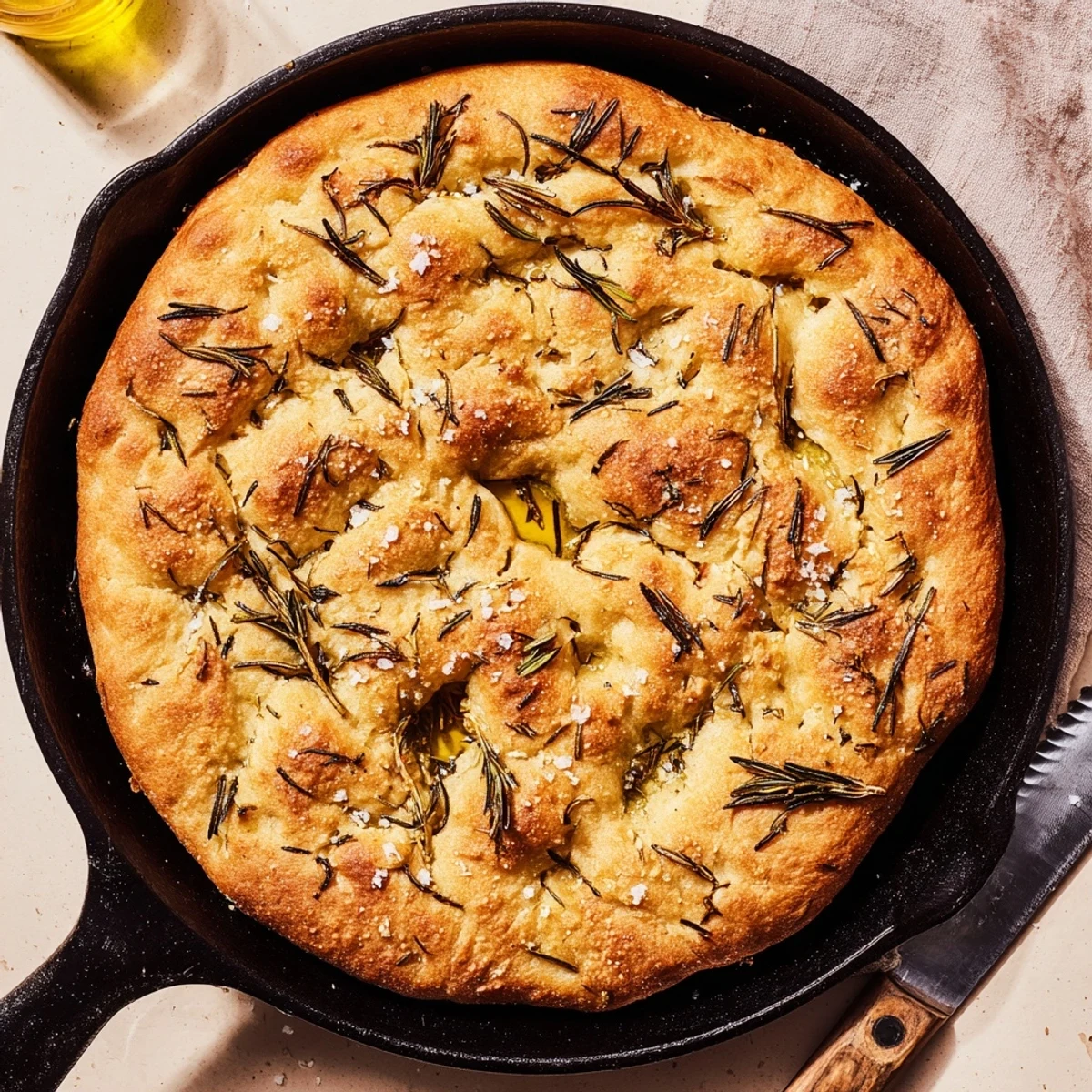
Save My mother claimed she didnt even like homemade bread until she tried this recipe. Now she asks me to make it every Sunday even though I finally taught her how to do it herself herself. There is something about tearing off a warm piece straight from the skillet that feels like pure comfort.
Making It Your Own
I have experimented with different herbs and thyme makes a lovely earthy version while sage gives it a cozy autumn feeling. Once I added caramelized onions and it was absolutely divine though it needed a bit longer in the oven.
The Secret to Extra Flavor
Roasting the garlic cloves before mixing them into the dough adds a subtle sweetness that balances the sharpness. I simply wrap them in foil with a drizzle of oil and roast at 400°F for 20 minutes then mash them into the dough.
Serving Ideas
This bread demands to be eaten with something that lets it shine. A bowl of tomato soup or a simple green salad with vinaigrette turns it into a meal.
- Dripping with good olive oil and balsamic vinegar
- Alongside a hearty stew or chili
- Toasted the next day topped with avocado or ricotta
 Save
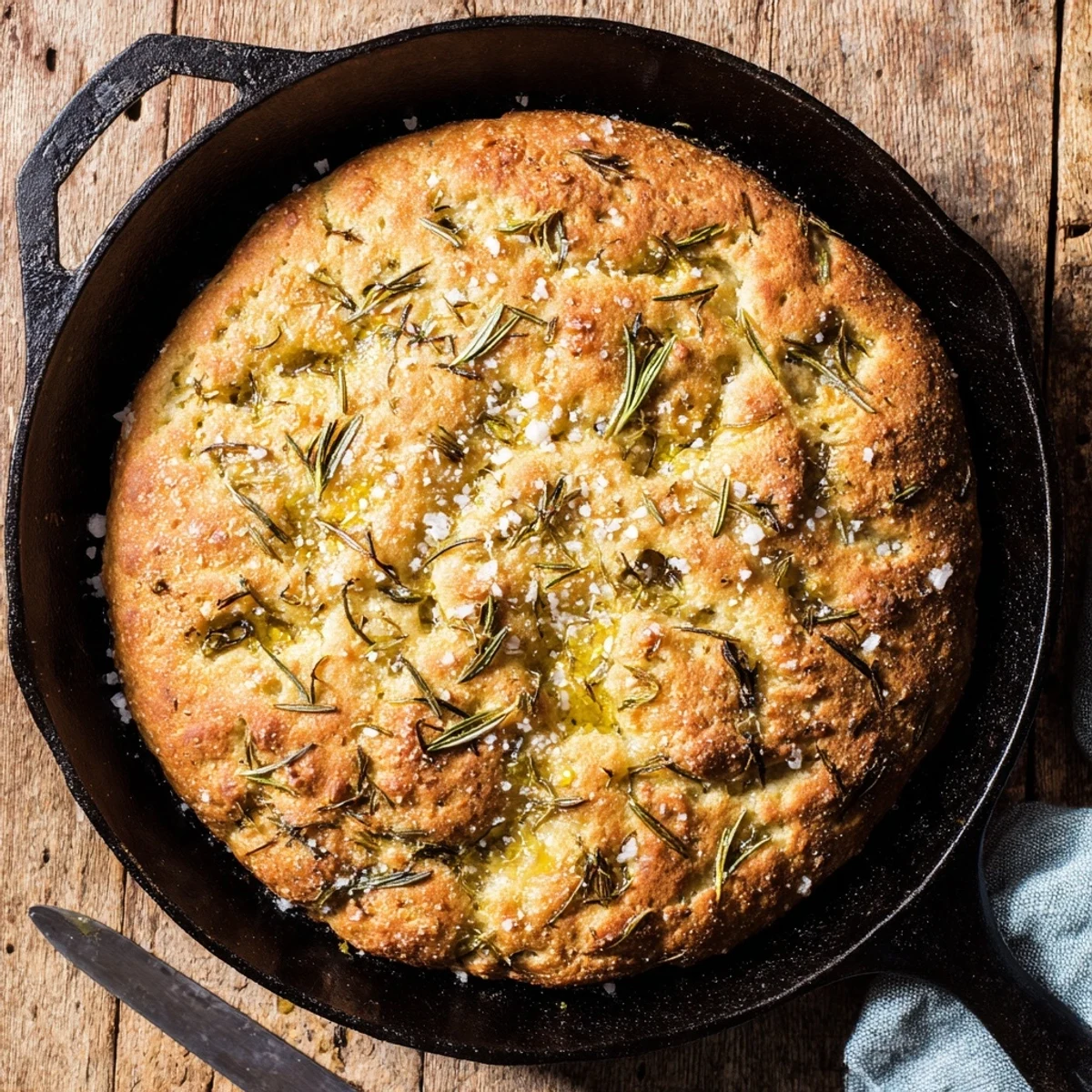
Save There is nothing quite like the sound of a knife cracking through that golden crust. Enjoy every warm buttery bite.
Common Questions
- → Can I use dried rosemary instead of fresh?
-
Yes, substitute 2 teaspoons of dried rosemary for the fresh version. Add it directly to the dough—no need to rehydrate first.
- → What if I don't have a cast-iron skillet?
-
Any oven-safe 10-inch skillet works, including stainless steel or ceramic. Alternatively, bake on a parchment-lined baking sheet, though the crust may be slightly less crispy.
- → How should I store leftovers?
-
Wrap cooled bread tightly in plastic or store in an airtight container at room temperature for up to 2 days. For longer storage, freeze sliced portions in freezer bags for up to 3 months.
- → Can I make this dairy-free?
-
This bread is naturally dairy-free. The only modifications needed are ensuring your olive oil and other ingredients are certified dairy-free, which they typically are.
- → Why is my dough too sticky or too dry?
-
Humidity affects flour absorption. If sticky, add flour 1 tablespoon at a time. If dry, add water 1 teaspoon at a time. The dough should be slightly tacky but manageable.
- → Can I prepare the dough ahead of time?
-
Yes, after the first rise, refrigerate the dough for up to 24 hours. Bring to room temperature for 30 minutes before shaping and the second rise.