
 Save
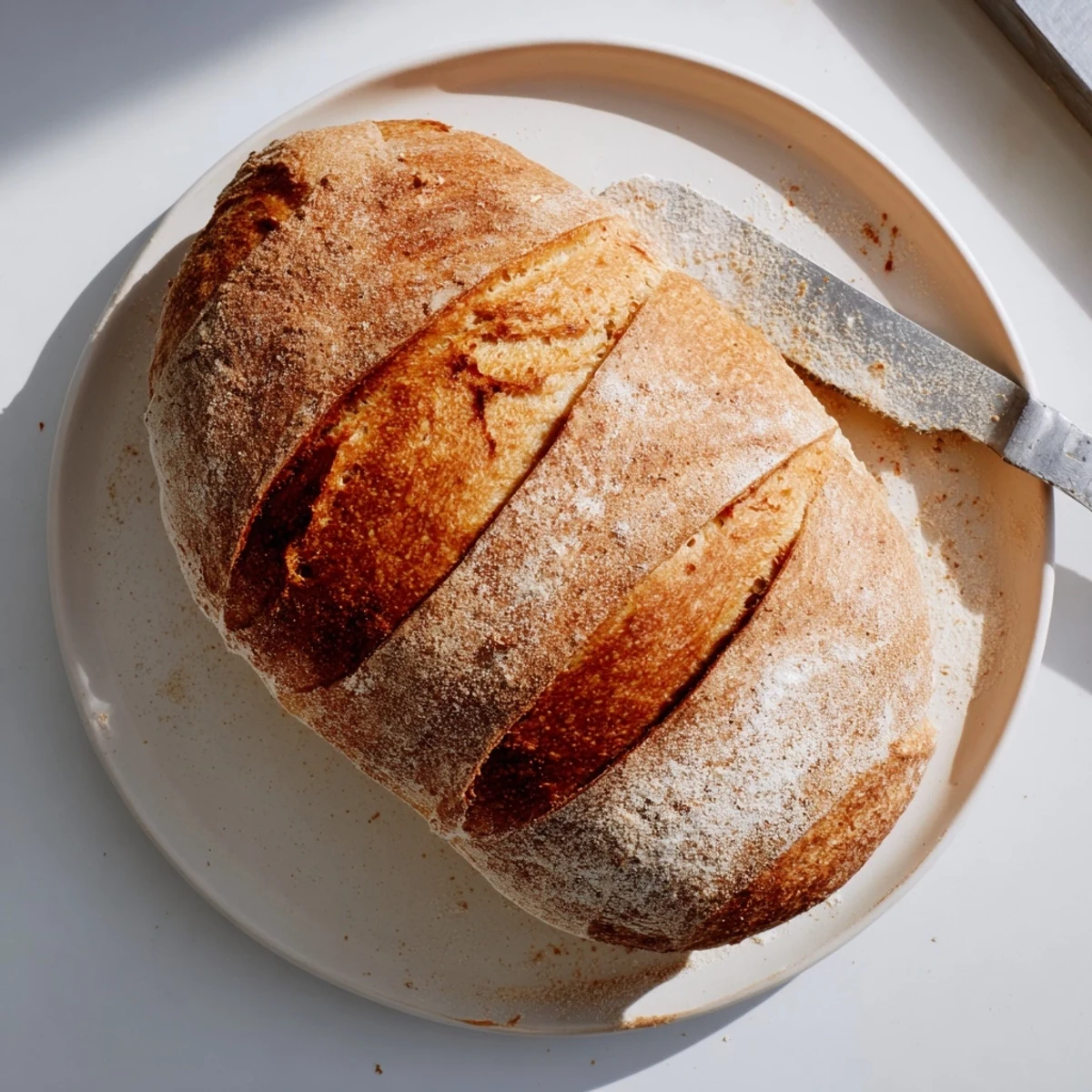
Save Create bakery-worthy crusty Italian bread with a beautifully golden exterior and tender, chewy crumb. This traditional loaf develops character through a long fermentation process, while steam baking ensures that signature crackly crust.
The dough requires simple pantry staples—flour, yeast, salt, and olive oil—yet delivers exceptional results. Perfect alongside pasta dishes, for panini, or simply torn and dipped in quality extra virgin olive oil.
The steam from my oven always reminds me of that tiny apartment kitchen where I first attempted real bread. The whole building would smell like yeast and possibility. My neighbors would actually linger in the hallway, wondering what was happening behind my door. Those early loaves were dense and imperfect, but the ritual of baking felt like magic.
I made this bread during a snowstorm once, when everyone was stuck inside and feeling restless. Something about the rhythm of kneading dough while watching flakes fall against the window brought such calm to the house. We ate the entire loaf standing around the kitchen counter, still warm from the oven, with butter melting into every crevice.
Ingredients
- Bread flour: Higher protein content creates that perfect chewy crumb structure
- Active dry yeast: Use fresh yeast and check the expiration date for reliable rising
- Warm water: Should feel like bath temperature, around 40°C, to activate yeast without killing it
- Olive oil: Adds subtle flavor and keeps the tender interior moist
- Salt: Do not reduce this amount as it controls fermentation and enhances flavor
- Sugar: Feeds the yeast and helps develop that beautiful golden crust
Instructions
- Wake up the yeast:
- Dissolve the yeast and sugar in warm water and let it bubble for 5 to 10 minutes until a foam layer forms on top
- Build the foundation:
- Whisk flour and salt in a large bowl, create a well in the center, then pour in the activated yeast mixture and olive oil
- Work the dough:
- Mix with a spoon until shaggy, then turn onto a floured surface and knead for 8 to 10 minutes until the dough feels smooth and bounces back when pressed
- Let it rise:
- Place dough in an oiled bowl, cover with a damp towel, and leave in a warm spot until doubled, about 1 to 1.5 hours
- Shape your loaf:
- Punch down gently, form into a tight oval or round, place on a parchment-lined sheet dusted with cornmeal, and let rise another 45 minutes
- Create the steam:
- Preheat oven to 220°C with an empty metal pan on the bottom rack, then pour hot water into that pan just before baking
- Bake to golden:
- Slash the top with a sharp knife, bake for 30 to 35 minutes until deep golden, and tap the bottom to hear the hollow sound that tells you it is done
- Cool completely:
- Let the bread rest on a wire rack for at least an hour to finish cooking inside and develop the best texture
 Save
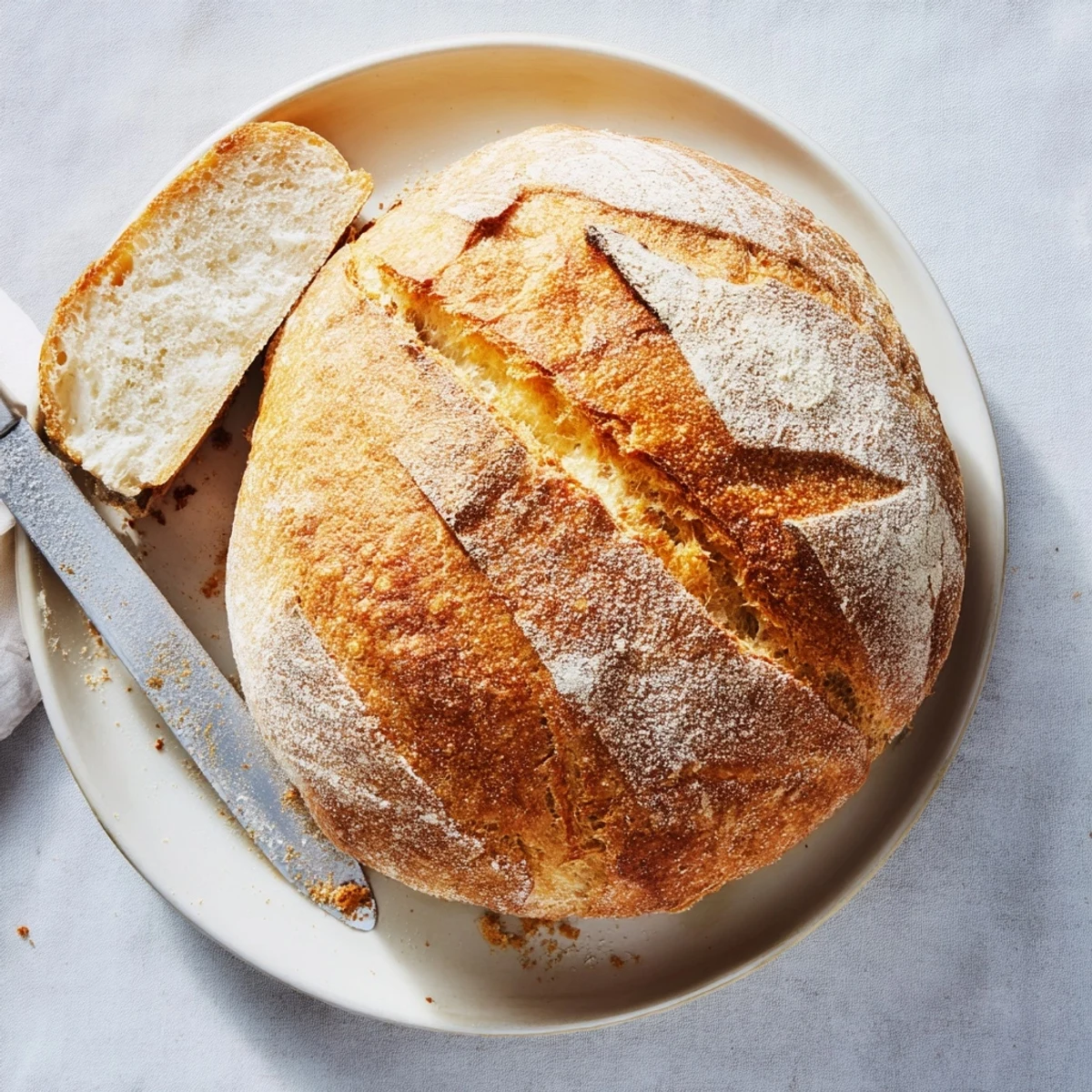
Save This recipe became my go-to for dinner parties because the aroma welcomes guests before they even step inside. Something about homemade bread turns a regular meal into a gathering.
The Steam Secret
That hot water in the bottom of your oven is what transforms a simple loaf into something extraordinary. The steam keeps the crust soft initially, allowing the bread to expand fully, then creates that blistered, bakery-style exterior as it evaporates.
Kneading Confidence
You cannot overwork this dough by hand, so do not worry about timing it perfectly. The windowpane test, where you stretch a small piece until light shows through without tearing, is more reliable than any kitchen timer.
Storage Wisdom
Homemade bread has no preservatives, so it dries faster than store-bought. Store cut side down on a cutting board for up to two days.
- Freeze slices in parchment for easy toast emergencies
- Revive day-old bread with a quick sprinkle of water and 5 minutes in a warm oven
- Stale bread makes the best croutons or breadcrumbs
 Save
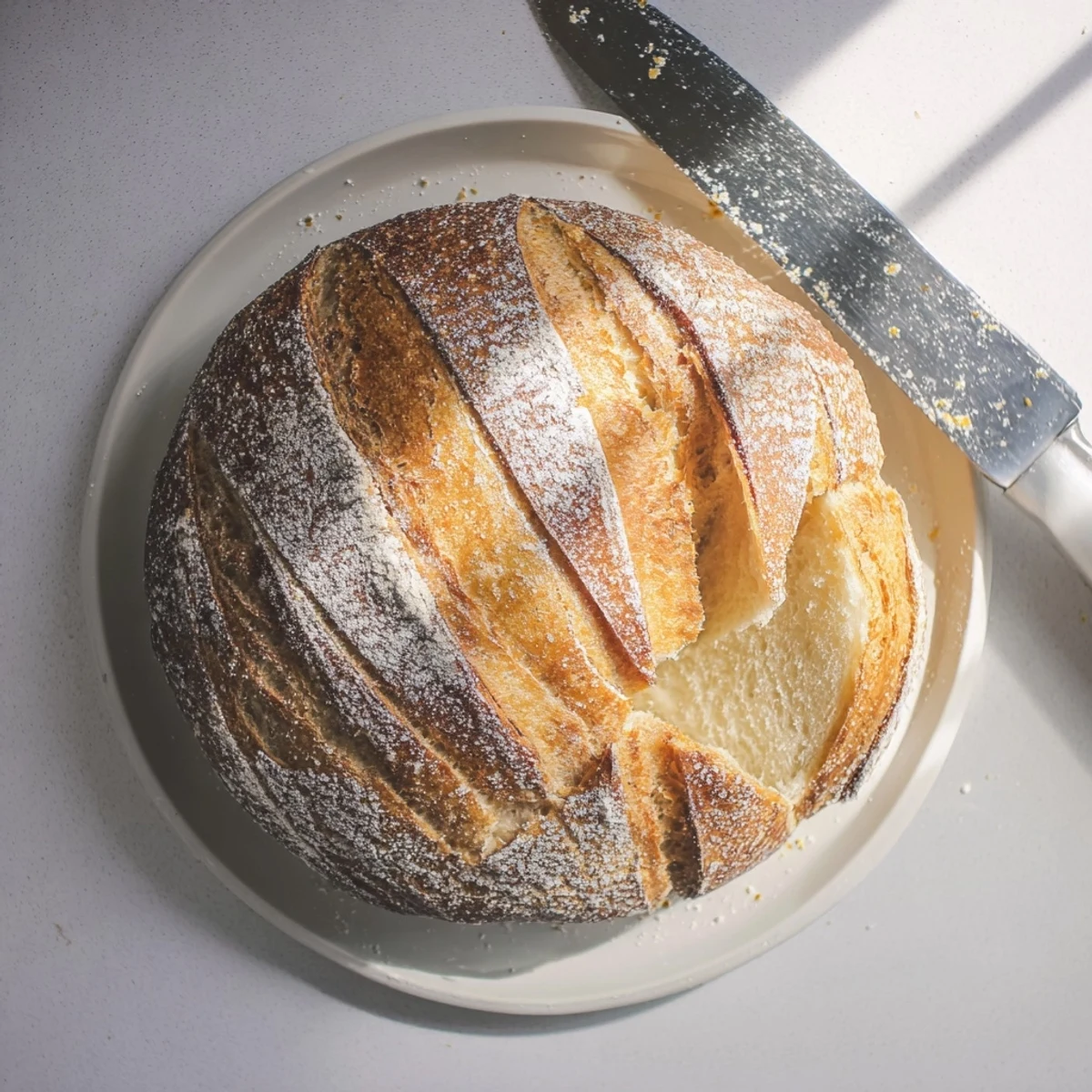
Save There is nothing quite like tearing into a loaf you created with your own hands, still warm from the oven, sharing it with people you love.
Common Questions
- → What makes Italian bread crusty?
-
The steam created by pouring hot water into the preheated baking pan generates moisture in the oven. This allows the crust to expand rapidly before setting, resulting in that signature crispy, crackly exterior.
- → Can I use all-purpose flour instead of bread flour?
-
Bread flour provides higher protein content for better gluten development and chewier texture. All-purpose flour will work but may produce a slightly softer, less structured loaf with reduced chewiness.
- → How do I know when the bread is fully baked?
-
The loaf should develop a deep golden-brown color. Tap the bottom—it should sound hollow when done. An instant thermometer inserted into the center should read 200°F (93°C) for proper doneness.
- → Why is my dough not rising properly?
-
Ensure your water temperature is around 105°F—too hot kills yeast, too cold slows activation. Find a warm, draft-free spot for rising. Fresh yeast also produces more reliable results than expired packets.
- → Can I add herbs or other ingredients to the dough?
-
Absolutely. Dried rosemary, thyme, or oregano blend beautifully into Italian bread. Add 1-2 teaspoons during mixing. You can also incorporate sun-dried tomatoes, roasted garlic, or grated Parmesan for variation.
- → How should I store this bread?
-
Store at room temperature in a paper bag for up to 2 days to maintain crust texture. For longer storage, freeze sliced portions in airtight bags—thaw individually and refresh in a 350°F oven for 5 minutes.