
 Save
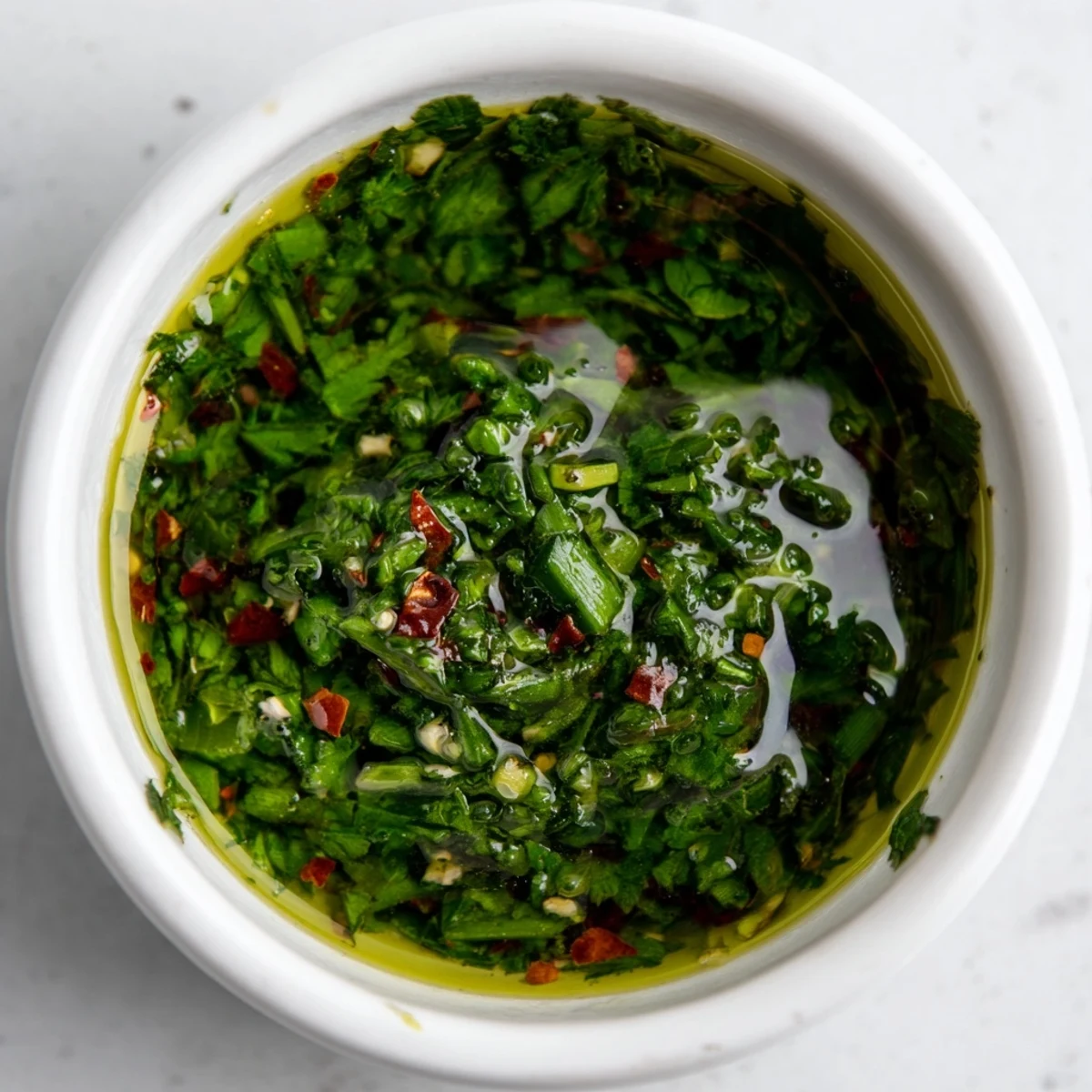
Save This bold chimichurri sauce transforms grilled dishes with its vibrant blend of garlic scapes, fresh parsley, cilantro, and red wine vinegar. The herbaceous, tangy condiment adds layers of flavor to steak, chicken, fish, or roasted vegetables. Simply pulse the ingredients together and serve immediately, or store for up to three days to let the flavors meld together.
My neighbor's garden overflowed with garlic scapes last summer, and I found myself with more curly green stalks than I knew what to do with. That's when I discovered chimichurri—a sauce that transformed those unruly scapes into something magical. Now I actually hope for an overabundance of scapes every season.
I served this at a backyard barbecue last July, watching skeptical friends dip their grilled chicken into bright green sauce. The looks on their faces when they took that first bite—skeptical eyebrows raising into genuine delight—made my whole weekend. Someone actually asked if I'd jar some up for them to take home.
Ingredients
- Garlic scapes: These curly flower stalks from garlic plants offer a gentler garlic flavor that's perfect for raw sauces—find them at farmers markets in early summer
- Fresh parsley: Flat-leaf Italian parsley gives the best flavor and texture, avoiding that soapy taste some herbs develop when over-processed
- Fresh cilantro or oregano: Cilantro adds brightness while oregano leans more traditional—either way, pack it down in the measuring cup for accurate amounts
- Shallot: More subtle than onion, shallots blend seamlessly into the sauce without leaving harsh chunks
- Red chili or red pepper flakes: This is your heat dial—start conservative since the raw garlic brings its own warmth
- Extra-virgin olive oil: Really important here since it's the main body of the sauce—use something you'd put on a salad
- Red wine vinegar: Provides the classic chimichurri tang, though apple cider works in a pinch
- Fresh lemon juice: Balances the oil and brightens all those green flavors
- Sea salt and black pepper: Seasoning matters immensely here since the sauce isn't cooked
Instructions
- Prep your greens:
- Give those herbs a good wash and spin them dry—water clinging to the leaves will make your sauce separate faster
- Rough chop everything:
- You don't need precision here, just break down the scapes, herbs, shallot, and chili into pieces that'll fit comfortably in your food processor
- Pulse to chopped:
- Hit pulse a few times until everything looks uniformly minced but not pureed—some texture is exactly what you want
- Add the liquids and seasonings:
- Pour in the olive oil, vinegar, lemon juice, salt, and pepper, then pulse again until everything's incorporated but still has some body to it
- Check your consistency:
- If it looks too thick, add that tablespoon of water—a thinner sauce will coat your grilled food better
- Taste and trust your palate:
- This is raw sauce, so grab a spoon and adjust anything that needs tweaking—more salt, more acid, more heat
 Save
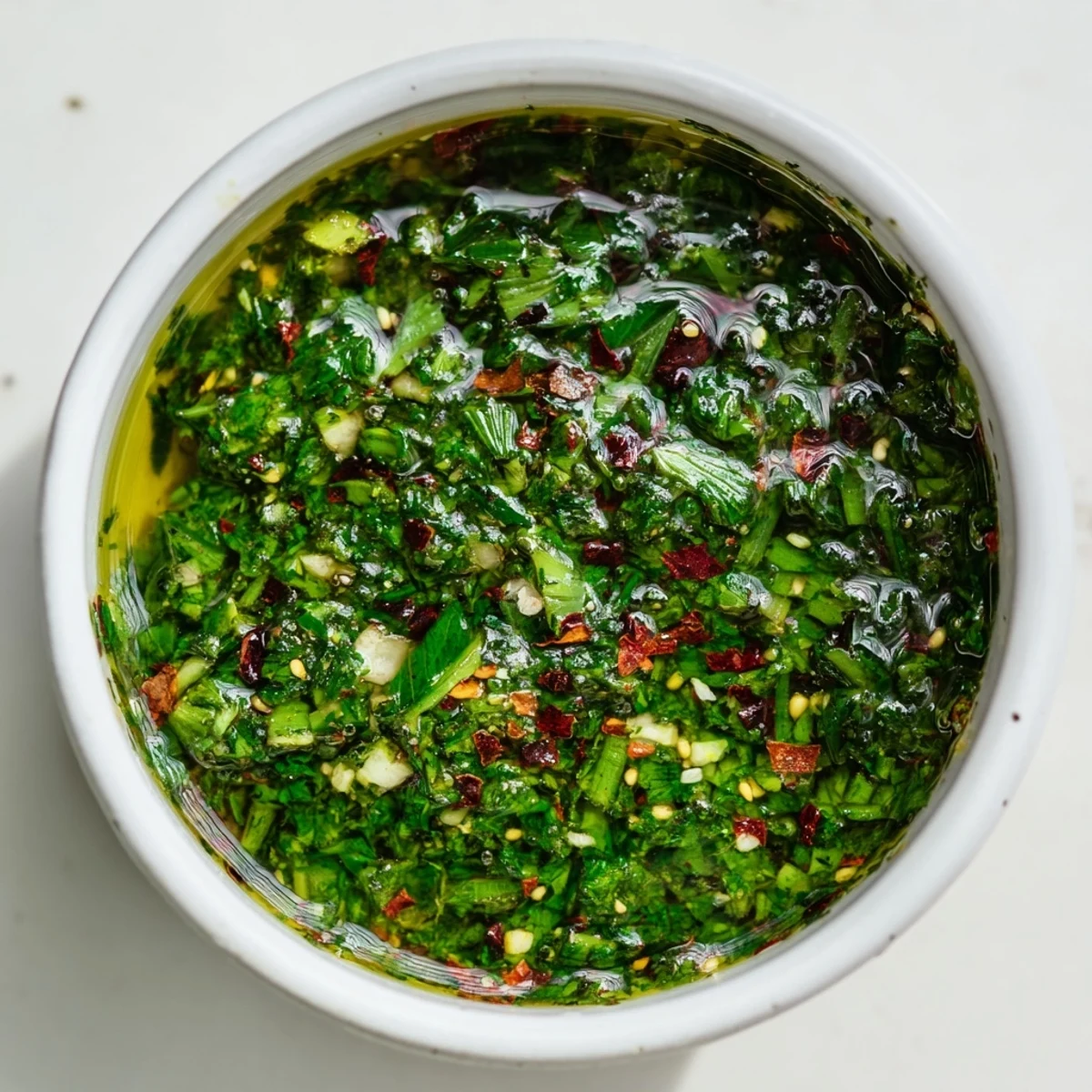
Save There's something so satisfying about spooning this over a hot steak right off the grill, watching the oil and vinegar melt into the charred bits. It's the kind of sauce that makes you slow down and really savor your food.
Making It Your Own
I've played around with adding mint during summer, which gives it a refreshing twist that's incredible on lamb. Sometimes I'll throw in a handful of basil if that's what's overflowing in my garden. The beauty of chimichurri is that it's more of a template than a rigid rule.
Serving Ideas Beyond Grilling
This sauce wakes up practically anything. I've dolloped it on scrambled eggs, stirred it into roasted vegetables, and even used it as a marinade for chicken thighs. My favorite unexpected use might be swirling a spoonful into hummus for an incredible dip.
Storage Make-Ahead Tips
If you're meal prepping for the week, make the sauce on Sunday and store it in a glass jar—those plastic containers sometimes hold onto odors. Leave a little headspace at the top since the oil expands slightly when cold. Bring it to room temperature before serving for the best flavor and consistency.
- Double the batch and freeze half in ice cube trays for future quick meals
- Top each jar with a thin layer of olive oil to help preserve freshness
- Mason jars work perfectly for storage and look beautiful on the table
 Save
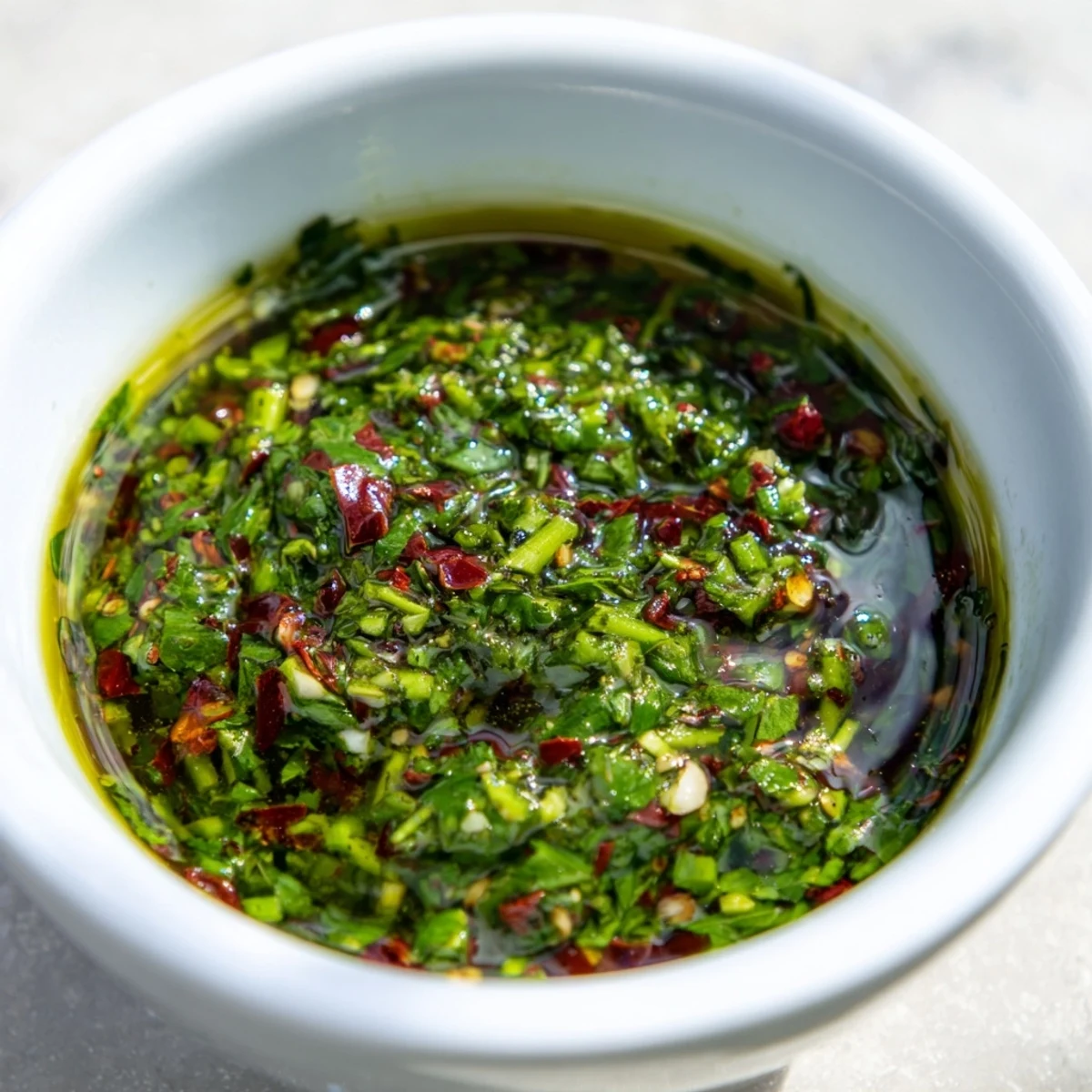
Save Hope this becomes your go-to summer sauce like it has for me.
Common Questions
- → What are garlic scapes?
-
Garlic scapes are the curly, green flower stalks that grow from hardneck garlic bulbs. They have a mild garlic flavor with a fresh, vegetal taste similar to chives or scallions. They're available in late spring and early summer at farmers markets and specialty grocery stores.
- → How long does chimichurri last?
-
This chimichurri sauce stays fresh in an airtight container in the refrigerator for up to 3 days. The herbs may oxidize slightly over time, but the flavor remains vibrant. For best results, bring to room temperature before serving and stir well.
- → Can I freeze chimichurri sauce?
-
Yes, you can freeze this sauce for up to 3 months. Portion it into ice cube trays or small freezer-safe containers. Thaw in the refrigerator overnight and give it a good stir before using. The texture may be slightly thinner after freezing.
- → What dishes pair best with garlic scape chimichurri?
-
This sauce excels on grilled meats like steak, pork chops, and lamb chops. It also complements grilled chicken, fish, shrimp, and vegetables like zucchini, peppers, and eggplant. Try it on roasted potatoes, tofu, or as a sandwich spread for added brightness.
- → How can I adjust the heat level?
-
Control the spiciness by adjusting the amount of red chili or red pepper flakes. For a mild version, omit the chili entirely. For medium heat, use half a small chili or 1/4 teaspoon red pepper flakes. For maximum spice, use the full chili or increase pepper flakes to 1 teaspoon.