
 Save
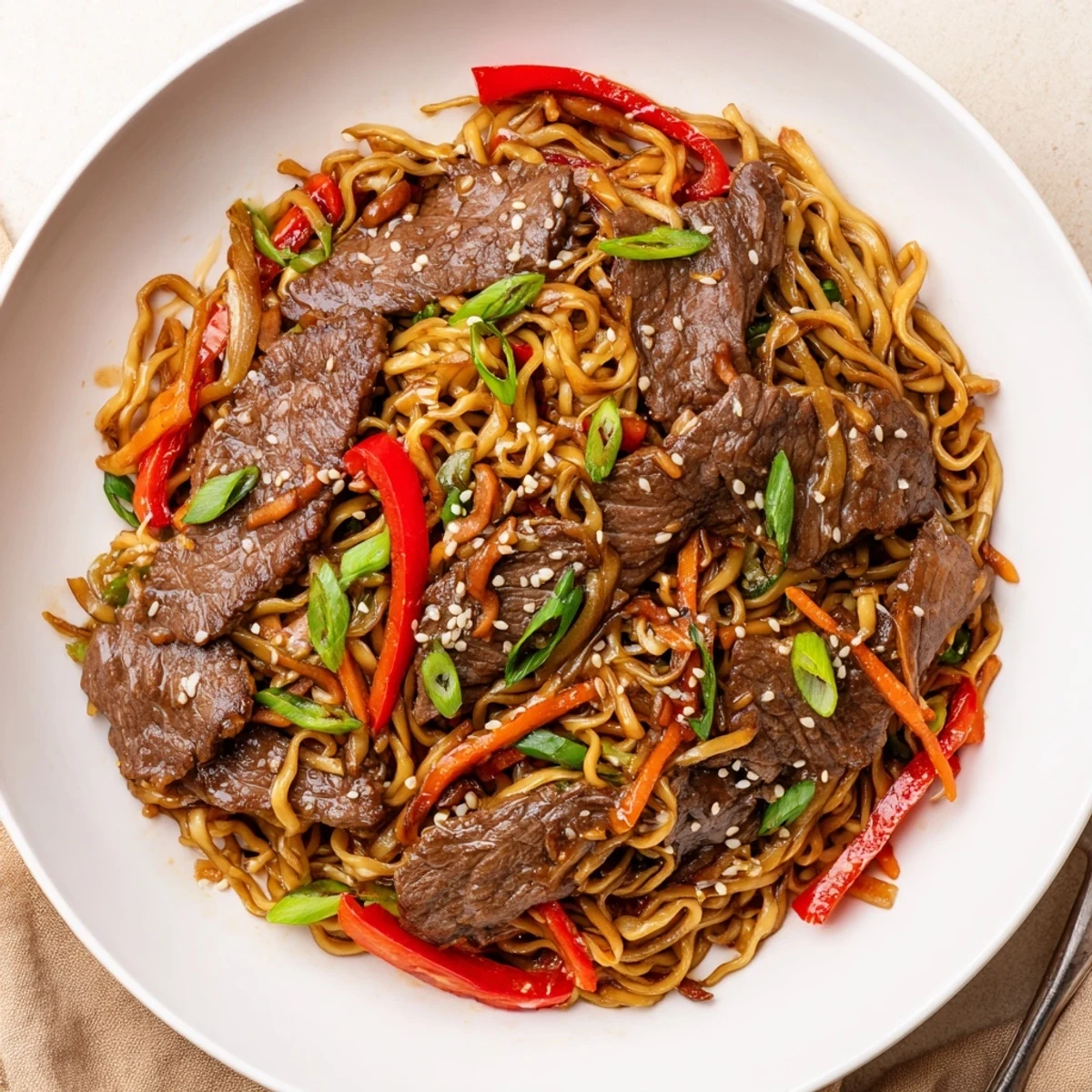
Save Thinly sliced beef is briefly marinated, then seared for caramelized edges. Noodles are cooked and tossed with bell pepper, carrot and scallions, then coated in a hoisin–dark soy–honey glaze until glossy and sticky. Ready in 30 minutes, it finishes with toasted sesame and fresh herbs for an aromatic, comforting weeknight bowl.
The sizzle of hot oil and the sweet aroma of hoisin sauce always seem to pull me away from whatever else I'm doing, drawing me into the kitchen on noodle nights. I made this Sticky Beef Noodles recipe one particularly dreary Tuesday and was surprised at how a quick toss of tender beef, chewy noodles, and glossy sauce transformed my mood. What I remember most is how impatiently I hovered by the stove—just to catch the beef at that perfect moment when it was still pink at the center. There's something deeply satisfying about stirring everything together and watching those noodles turn irresistibly shiny.
Once, during a video call with my sister, I made this dish while catching up about our week. The conversation paused with both of us laughing as the noodles hit the wok and filled the kitchen with that caramelized, savory scent. We ended up timing our cooking together and ate Sticky Beef Noodles side by side across hours and miles. It made a simple dinner feel like a little celebration.
Ingredients
- Beef sirloin or flank steak: Thin slicing is the real key—let the steak chill in the freezer for fifteen minutes first, so it’s much easier to cut paper-thin.
- Soy sauce: Adds a deep, salty richness; splurge on a good one for the base marinade.
- Cornstarch: It makes the beef unbelievably tender and helps the sauce cling.
- Sesame oil: Just a little gives the marinade a nutty aroma—don’t skip it!
- Fresh egg noodles: They’re springy and more satisfying, but dried or even rice noodles work if you need gluten-free.
- Red bell pepper and carrot: Their sweetness and crunch lift the whole dish and look beautiful in the toss.
- Spring onions: Add them at the end for beautiful color and a fresh bite.
- Garlic and ginger: These are non-negotiable; finely chopped, their aromas are what make the whole kitchen feel warm.
- Hoisin, dark soy, and oyster sauce: This trio is why the sauce becomes so sticky, savory, and just a bit sweet.
- Honey: Rounds out the sauce with subtle sweetness but doesn’t make it cloying.
- Water: Thins the sauce so it coats everything, not just the bottom of the pan.
- Toasted sesame seeds & fresh coriander: Don’t underestimate the magic of a scattering over the top right before serving—it’s the final touch.
Instructions
- Marinate the beef:
- Mix the thinly sliced steak with soy sauce, cornstarch, sesame oil, and black pepper until each piece is glossy. Let it sit for 10 minutes while you prep the vegetables so the flavors can seep in.
- Prepare the noodles:
- Cook the noodles according to the package—they should be just tender but not mushy. Rinse quickly under cold water to stop them from sticking, and set them aside.
- Whisk the sticky sauce:
- In a small bowl, combine the hoisin, dark soy, oyster sauce, honey, and water. Give it a good whisk until it’s smooth and shiny.
- Stir-fry the beef:
- Heat a splash of oil in a hot wok. Toss in the marinated beef and stir quickly, just until the edges brown and it’s barely cooked through—this takes less than 2 minutes—then transfer to a plate.
- Sauté the aromatics & veggies:
- Add more oil if needed, then sauté garlic and ginger until fragrant, about 30 seconds. Tip in the bell pepper, carrot, and spring onion, and toss over high heat until just tender yet still crisp.
- Add beef and sauce:
- Return the beef to the pan, pour in the sticky sauce, and toss well to coat everything. Let it bubble away for a minute until everything smells irresistible and is coated in glossy sauce.
- Toss with noodles:
- Add the noodles and turn everything together over high heat for 1–2 minutes until the noodles glisten and have soaked up all the sauce.
- Serve and garnish:
- Heap the noodles into bowls, scatter with sesame seeds and fresh herbs, and dive in while everything is still steaming hot.
 Save
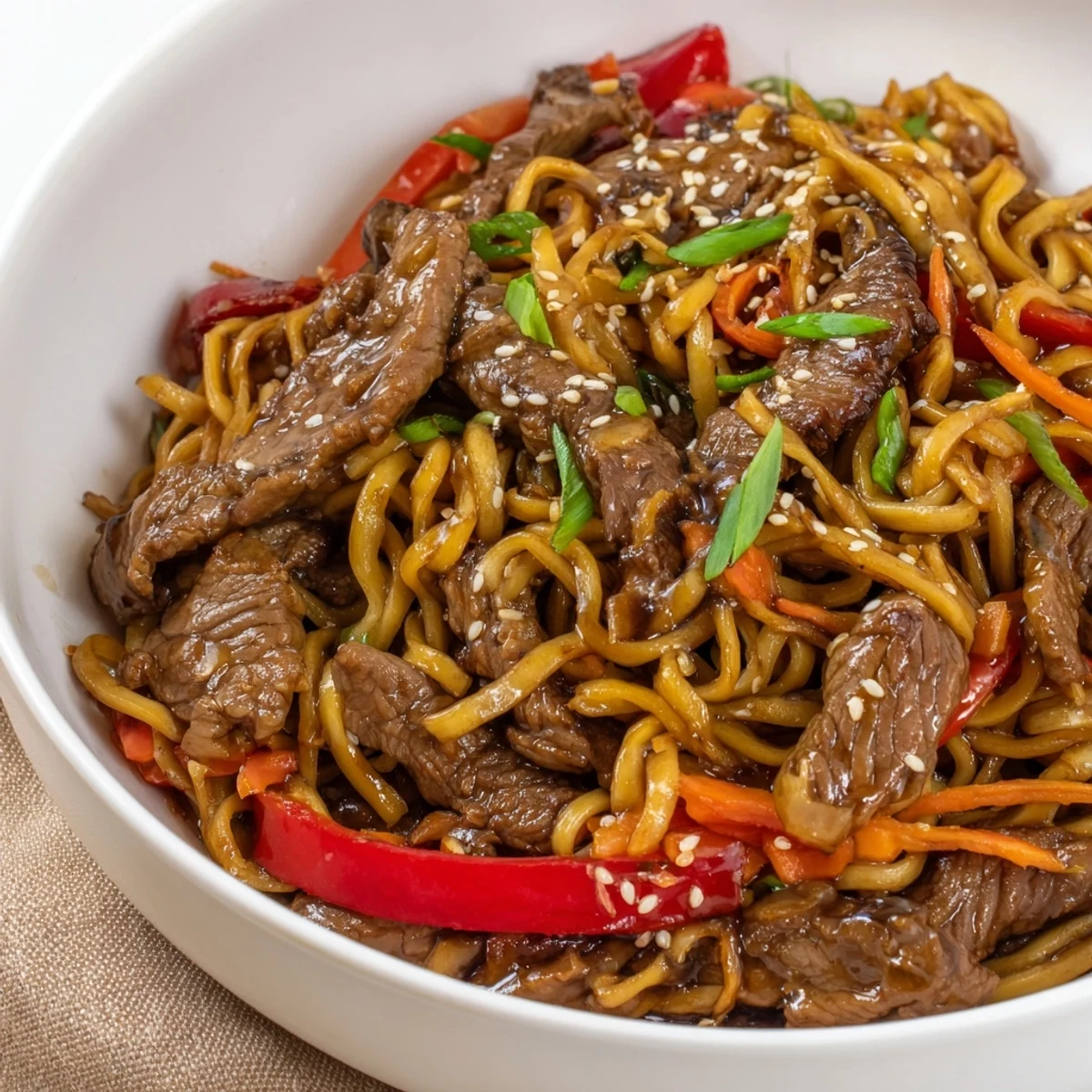
Save I’ll never forget watching a friend's face light up the first time she tried this—she paused mid-bite, grinned, and said she hadn’t tasted anything so comforting since her travels in Asia. That kind of reaction made me realize how food can surprise and delight, even on the simplest of nights. Now, every time I make this dish, I think of shared tables and little moments that become big memories.
Making the Sauce Shine
I've learned that simmering the sauce briefly before adding the noodles can deepen the flavors and make it even more luxurious. Patience at this step is rewarded with every sticky, savory slurp–the steam rising up is your cue that it’s ready to grab and toss with abandon. Thin the sauce with a splash of water if it seems too thick—it should cling, not glob.
Customizing with What's in the Fridge
This recipe is endlessly adaptable—I’ve thrown in broccoli, mushrooms, or even bok choy when the crisper was looking sparse. It’s a great way to use up vegetables that need rescuing, and nobody has ever noticed my produce clear-out. I’ve also swapped out beef for sliced chicken or tofu and it’s just as crowd-pleasing.
Quick Weeknight Cooking Strategies
Having everything chopped before you start is actually a sanity saver in stir-fry cooking. Keep a bowl nearby for scraps and another for prepped veggies, so you can move fast when it’s time to toss. If you meal-prep, marinate the beef and mix the sauce the night before, and dinner is even faster.
- Make sure your wok or pan is really hot before the beef hits it.
- Don’t crowd the pan—cook in batches if needed for true caramelization.
- Garnish only at the very end to keep everything fresh and bright.
 Save
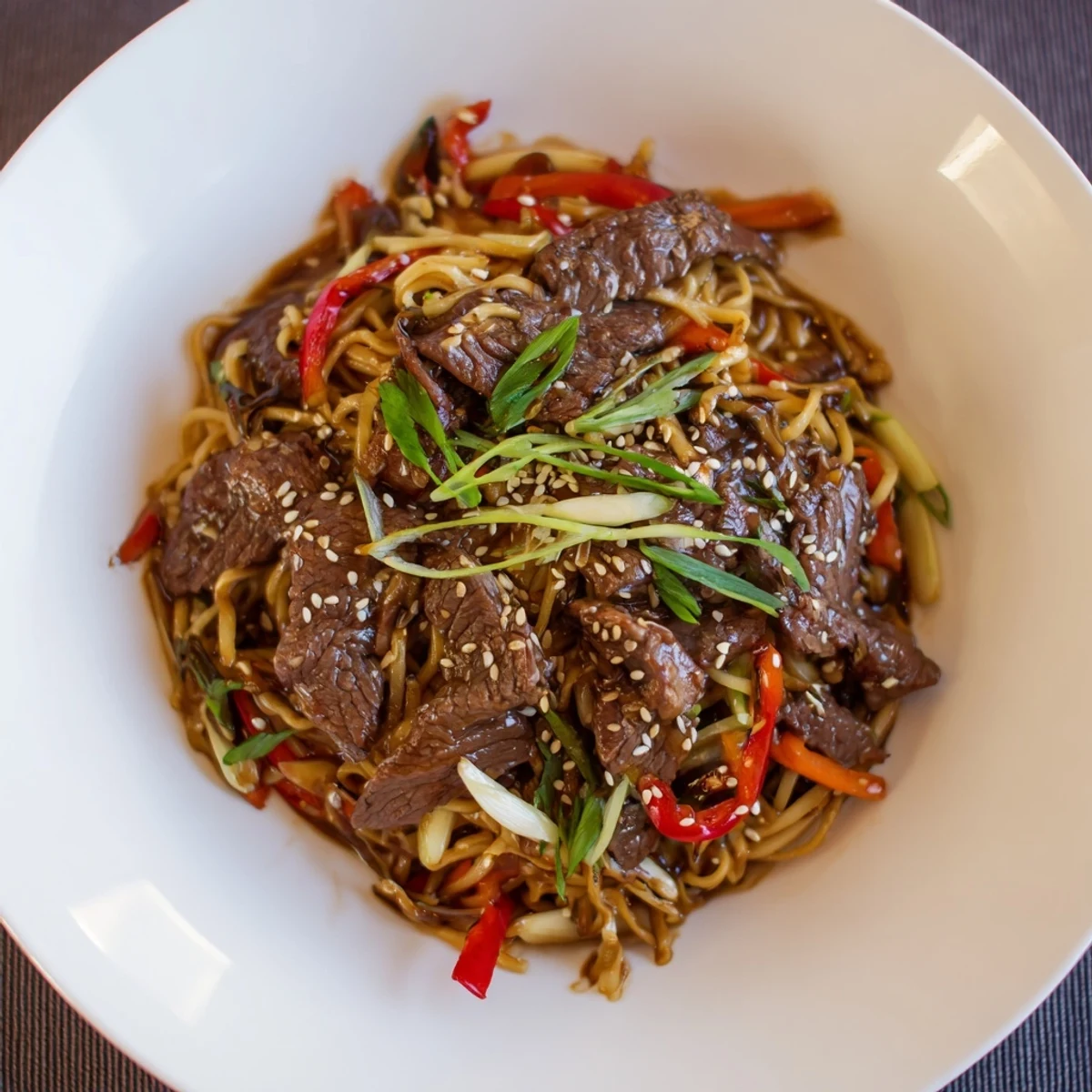
Save Sticky Beef Noodles always wins over friends and family, even on the busiest nights. The smiles around the table make the quick effort more than worth it.
Common Questions
- → Which cut of beef works best?
-
Lean, quick-cooking cuts like sirloin, flank or skirt steak are ideal. Slice thinly across the grain to keep strands tender, and a short marinade with soy and cornstarch helps achieve a silky texture.
- → How do I get a glossy, sticky sauce?
-
Combine hoisin, dark soy, oyster sauce and honey, then toss over high heat so the sugars caramelize slightly. A brief simmer or a small cornstarch slurry can help the sauce cling to noodles for a glossy finish.
- → What noodle types can I use?
-
Fresh egg noodles give chewiness and color; dried egg noodles work well too. For a gluten-free option, swap to rice noodles and ensure all sauces are gluten-free.
- → Can this be made ahead and reheated?
-
Cooked components keep in the fridge for 2–3 days. Reheat in a hot skillet with a splash of water or broth to loosen the sauce and revive gloss; finish with fresh herbs and sesame before serving.
- → What are good protein swaps?
-
Use sliced chicken breast or thighs for a similar cook time, or firm tofu for a vegetarian-friendly option. Adjust searing time: tofu benefits from a firmer pan sear, while chicken needs slightly longer until cooked through.
- → How can I add heat or extra flavor?
-
Stir in chili flakes, sliced fresh chilies, or a dash of sambal or Sriracha when adding the sauce. A splash of rice vinegar or lime can brighten the sweet-salty glaze at the end.