
 Save
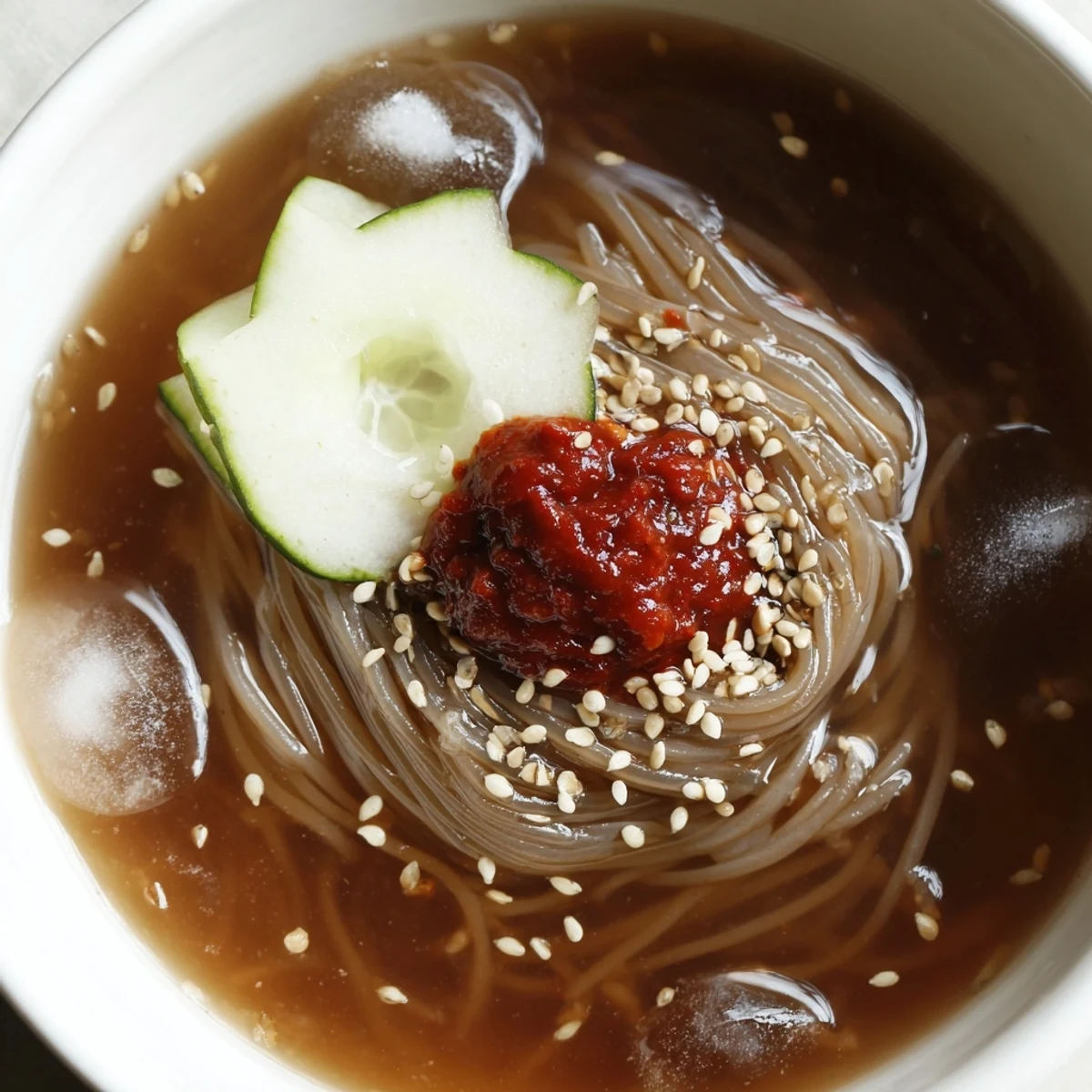
Save This classic Korean dish features chewy buckwheat noodles served ice-cold in a tangy, savory beef broth. The refreshing combination of vinegar-accented broth, tender beef brisket, crisp Asian pear, and cucumber creates perfect balance. Traditionally enjoyed during hot weather, the dish gets its signature chill from ice cubes added just before serving. The chewy texture of naengmyeon noodles pairs beautifully with the garnishes, including hard-boiled eggs and toasted sesame seeds. Customizable with gochujang for extra heat or mustard for added zest.
My first Korean summer in Seoul changed everything I thought I knew about comfort food. After surviving a winter of steaming stews and fiery hot pots, I stumbled upon a tiny spot in Jongno where elderly locals huddled over stainless steel bowls of something impossibly cold. The shop owner watched me sweat through July and finally placed a bowl of naengmyeon in front of me without asking. That first slurp of icy tangy broth with chewy noodles felt like discovering air conditioning in food form.
Last summer when my neighbor complained about her vegetable garden exploding with cucumbers, I showed up with a batch of this cold soup. She was skeptical about noodles in cold broth but agreed to try it. We sat on her back porch sweltering, watching her kids run through sprinklers while she took that first surprised bite. She texted me the next morning asking for the recipe because her husband kept requesting it for dinner.
Ingredients
- Beef broth: Homemade broth gives deeper flavor but low sodium works perfectly fine
- Rice vinegar: This provides essential tang without being too harsh like other vinegars
- Naengmyeon noodles: These Korean buckwheat noodles have the perfect chewy texture cold water rinses creates
- Asian pear: Adds natural sweetness and crisp texture that balances the tangy broth beautifully
- Cucumber: Fresh slices bring necessary crunch and coolness to each spoonful
- Ice cubes: Keep everything extra cold while you assemble and eat
Instructions
- Mix the chilling broth:
- Combine beef broth, cold water, rice vinegar, sugar, soy sauce, sesame oil, and salt in a large bowl. Stir until sugar and salt completely dissolve. Refrigerate this mixture while you prepare everything else.
- Prep all toppings:
- Boil eggs for exactly 10 minutes then cool them quickly under running water for easy peeling. Slice beef, cucumber, pear thinly. Keep everything cold and ready.
- Cook and chill noodles:
- Boil noodles for 3 to 4 minutes until they are bouncy and chewy. Drain immediately then rinse under cold running water for at least 2 minutes. This step is crucial for the right texture.
- Build your bowls:
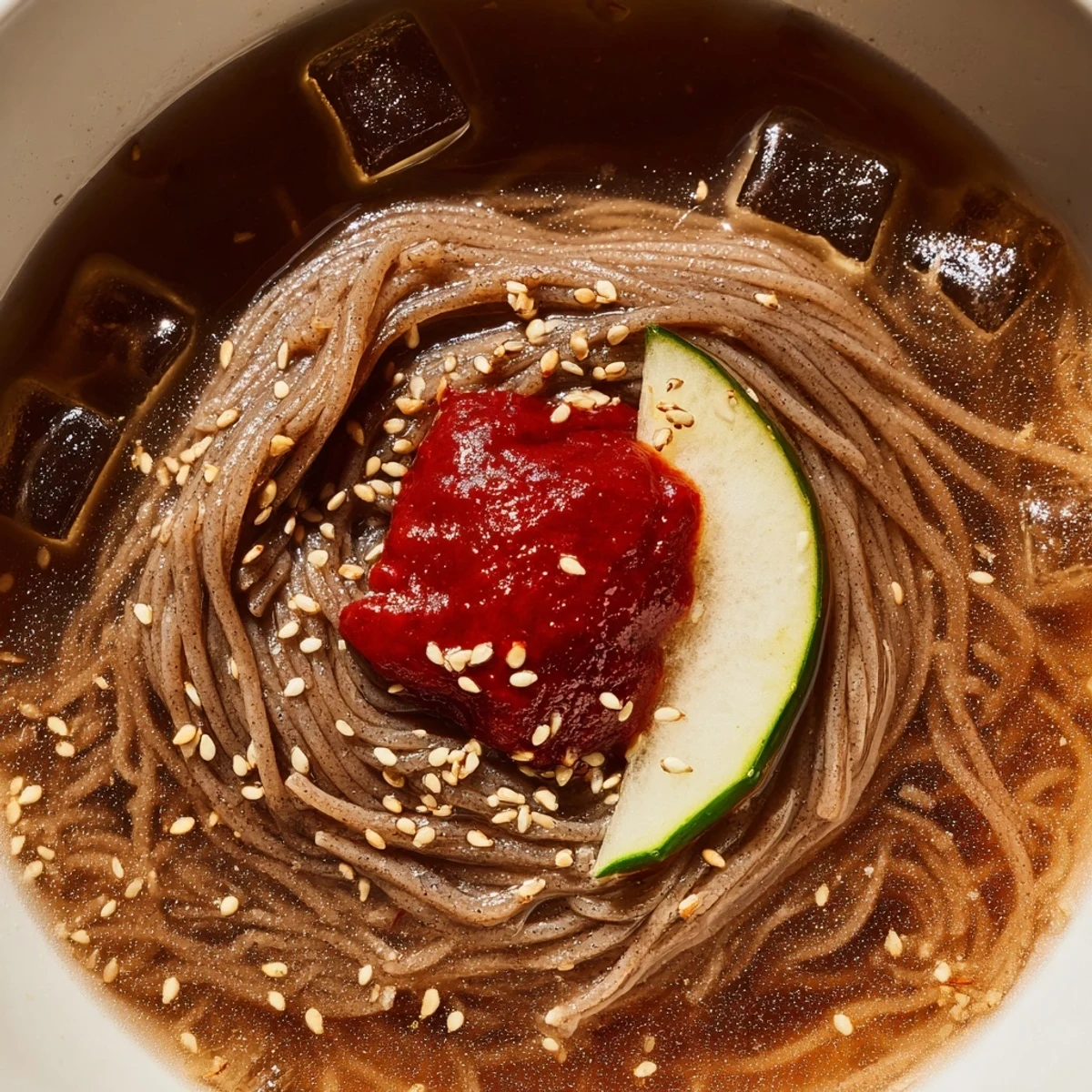
- Divide noodles among four bowls. Pour that ice cold broth over them generously. Arrange toppings beautifully on top. Drop in ice cubes last to keep everything perfectly chilled.
 Save
Save My daughter declared this the best summer dinner ever after trying it during a heat wave. She asked why we ever bother eating hot food when something like this exists. Now she requests it whenever the temperature climbs above 80 degrees.
Making It Your Own
Traditional Korean cooks often add dongchimi brine for extra funk and fermentation flavor. Start with a tablespoon and adjust to taste. Vegetarian mushroom broth creates a completely different but equally delicious base.
Serving Secrets
Cold bowls make a huge difference in how long this stays refreshing. I keep serving bowls in the freezer for 20 minutes before dinner. Some restaurants even use metal bowls because they hold cold temperatures better than ceramics.
Perfect Pairings
This soup needs something substantial alongside it to feel like a complete meal. Korean fried chicken or spicy bulgogi create that ideal hot and cold contrast. Simple banchan like spinach seasoned with sesame oil round out the table beautifully.
- Set out small dishes of extra vinegar and mustard so diners can customize their broth
- Cut noodles with scissors before serving if you prefer shorter slurps
- Save some broth to add halfway through eating when the noodles absorb too much liquid
 Save
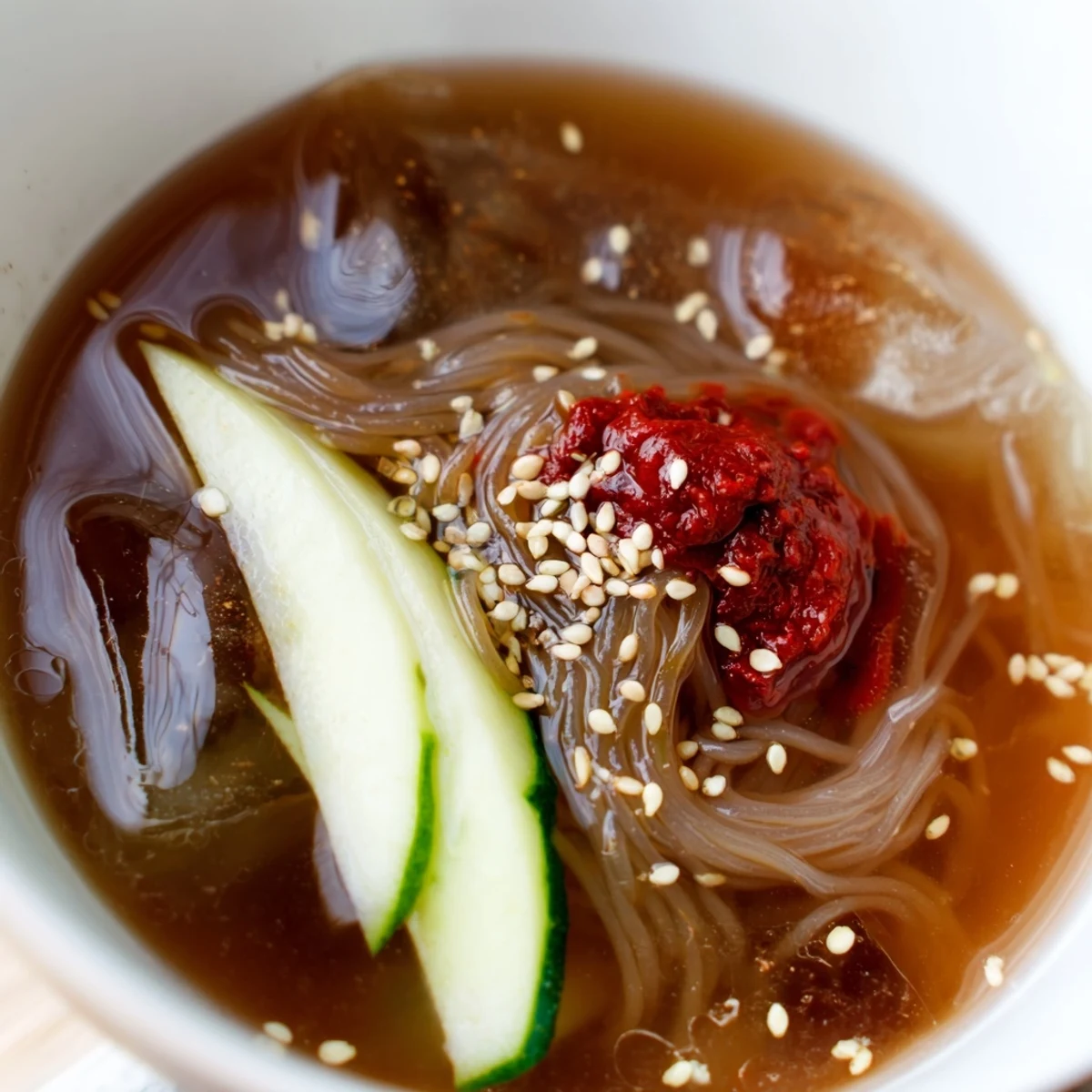
Save There is something deeply satisfying about eating a meal that cools you down from the inside out. Once you discover the joy of cold noodles on hot days, you will keep coming back to this bowl.
Common Questions
- → What makes naengmyeon noodles unique?
-
Naengmyeon noodles are made primarily from buckwheat and sweet potato starch, giving them a distinctively chewy, slightly slippery texture that holds up beautifully in cold broth. Their firm consistency contrasts perfectly with the refreshing liquid.
- → Can I prepare the broth in advance?
-
Absolutely—the broth actually benefits from chilling for several hours or overnight. This allows the flavors to meld and the liquid to become thoroughly cold, which is essential for the authentic experience. Store in an airtight container in the refrigerator.
- → What's the best way to achieve the perfect noodle texture?
-
Rinse the cooked noodles thoroughly under very cold running water after draining. This removes excess starch, stops the cooking process, and ensures the noodles stay perfectly chewy and separate rather than clumping together.
- → Are there variations for dietary restrictions?
-
For vegetarian versions, use vegetable or mushroom broth instead of beef. Gluten-free eaters should seek 100% buckwheat noodles and use tamari instead of regular soy sauce. The dish naturally accommodates dairy-free requirements.
- → Why are ice cubes added to the soup?
-
Ice cubes serve two purposes: they maintain the ultra-cold temperature essential to this dish, and they slightly dilute the concentrated flavors as they melt, creating a perfectly balanced, refreshing bowl from start to finish.
- → What dishes pair well with naengmyeon?
-
Korean barbecue makes an excellent companion, as the rich, savory meats complement the cold, tangy noodles. Light banchan like pickled vegetables or kimchi also work beautifully. Some enjoy starting with hot soup before transitioning to the cold noodles.