
 Save
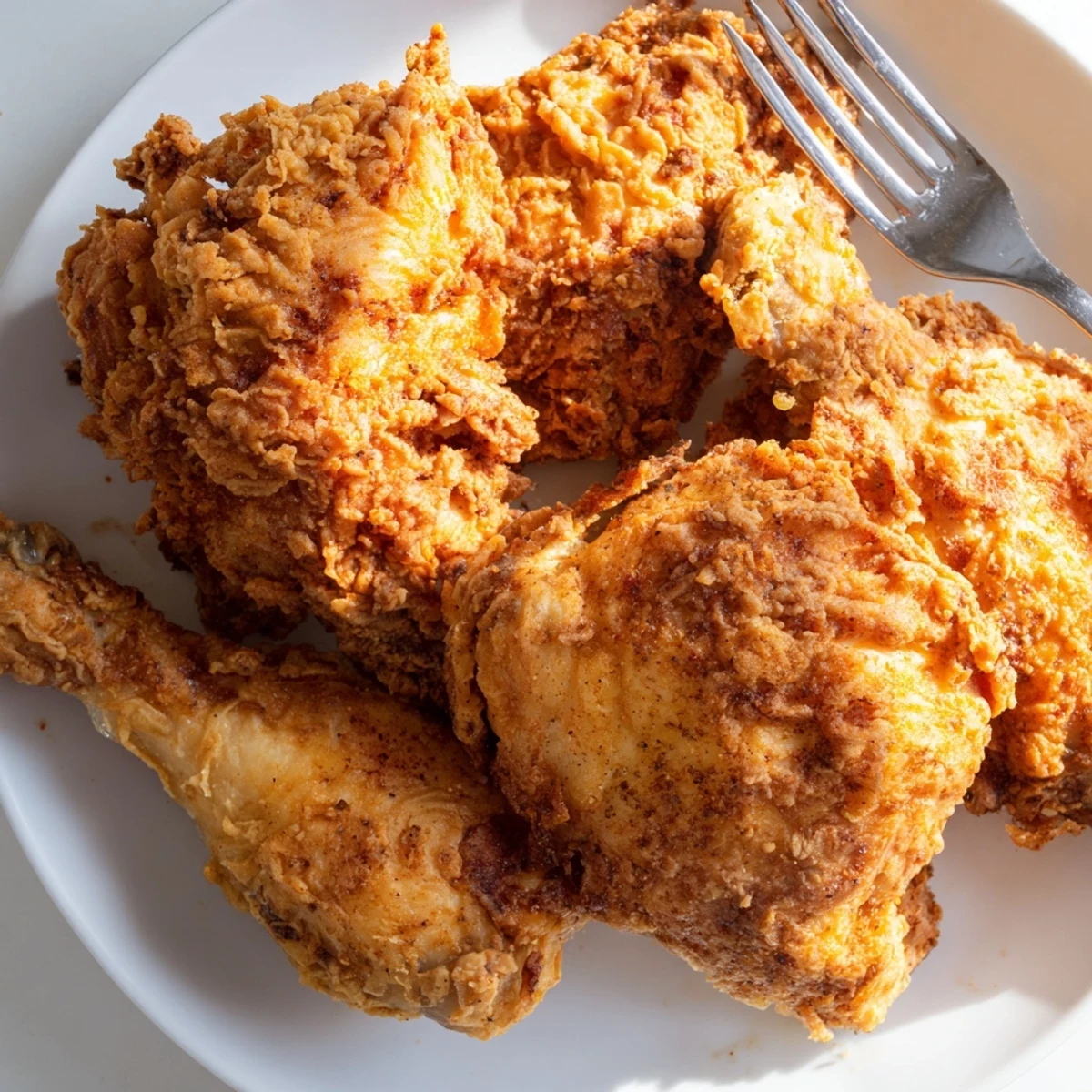
Save Achieve perfectly crispy, golden-fried chicken with a juicy interior through buttermilk marination and a seasoned flour coating. The buttermilk tenderizes the meat while adding subtle tanginess, while the paprika-spiced flour creates that signature crunch. Frying at 175°C ensures even cooking and beautiful golden color. Letting pieces rest after coating helps the breading adhere better during frying.
My brother-in-law from Louisiana finally showed me his method last summer, after years of my attempts producing either burnt coating or raw meat near the bone. We stood in his tiny kitchen with a cast iron skillet bubbling away while he explained temperature control like it was physics class. Now I understand why his family gatherings always smelled like heaven.
Last Sunday I made a triple batch for my daughters birthday dinner, something that started as an experiment but turned into our new tradition. Her friends kept drifting into the kitchen, drawn by that unmistakable fried chicken perfume that somehow makes everything feel like a celebration. I had to shoo them away while I finished the last batch.
Ingredients
- Chicken: Bone-in, skin-on pieces are non-negotiable here because the fat and collagen create moisture that boneless breasts simply cannot achieve
- Buttermilk: The acidity breaks down proteins while the thickness helps flour adhere better than any egg wash I have tried
- Garlic and onion powder: Use these instead of fresh garlic because fresh can burn during frying leaving bitter spots
- All-purpose flour: Protein content matters here as higher protein flours create tougher coatings
- Baking powder: This tiny addition creates microscopic bubbles in your coating for extra crunch
- Vegetable oil: Neutral oils work best so you taste your seasoning not the oil itself
Instructions
- The overnight soak:
- Whisk buttermilk with all your marinade spices until fully dissolved, submerge chicken completely, and let it rest in the refrigerator for at least 2 hours though overnight gives you the most flavorful results.
- Coating station setup:
- Mix flour with remaining spices and baking powder in a wide shallow bowl, then line a baking sheet with rack for your coated pieces.
- The serious business of dredging:
- Lift each piece from marinade letting excess drip off, press firmly into flour mixture until completely covered, shake gently, then place on your prepared rack to rest for 10 minutes which helps coating adhere.
- Getting your oil ready:
- Heat oil to 175°C (350°F) using a thermometer because this precise temperature prevents soggy coating or undercooked meat.
- The frying dance:
- Carefully lower pieces into hot oil working in batches so you never crowd the pot, fry for 12 to 15 minutes turning occasionally until golden brown and internal temperature reaches 75°C (165°F).
- The patience of resting:
- Transfer to wire rack or paper towels, let rest for 5 minutes so the juices redistribute and coating reaches maximum crunchiness.
 Save
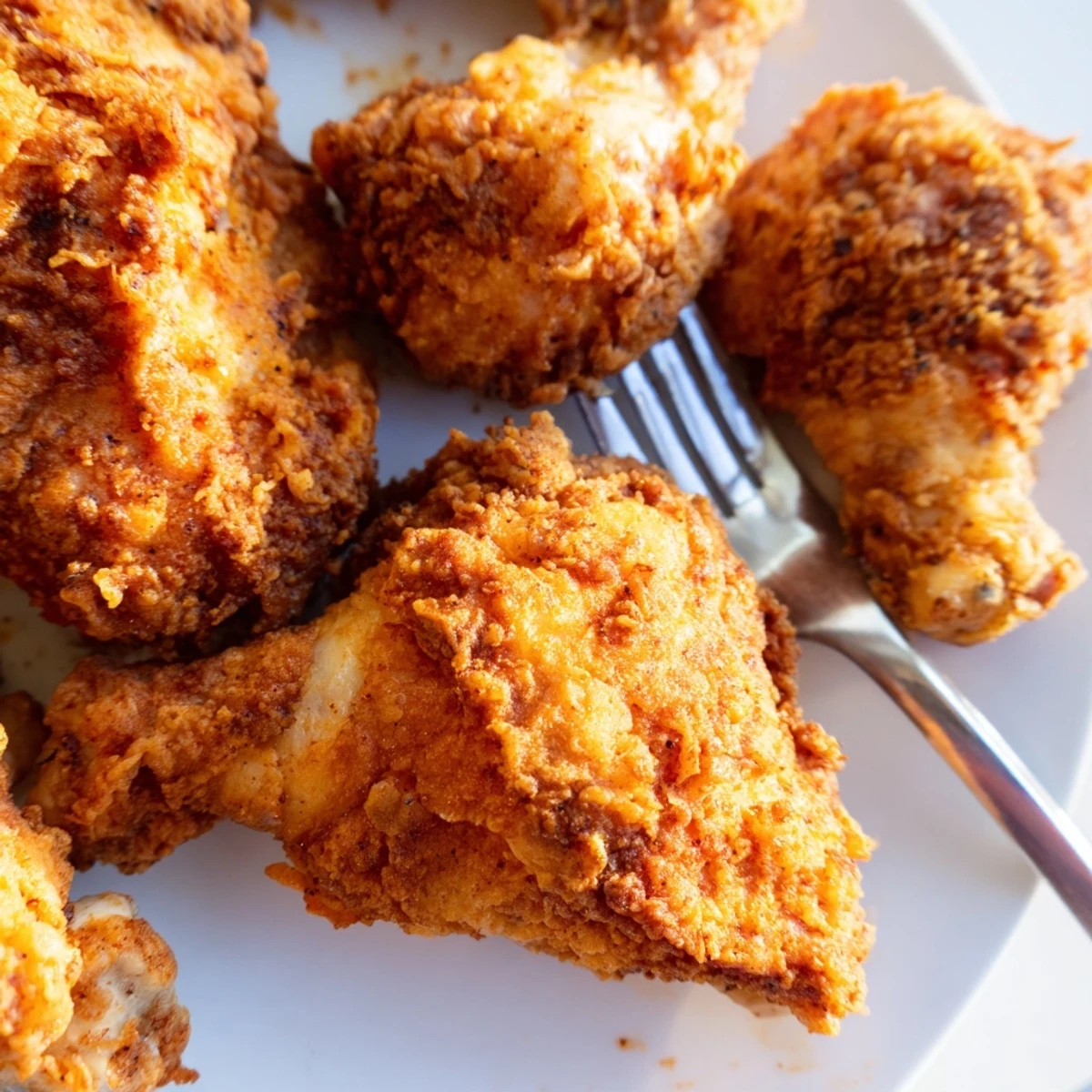
Save My grandmother used to say good fried chicken was worth the mess and the effort, and I finally understand what she meant watching my family gather around the platter last night. There is something magical about that first crunch followed by juicy meat that makes ordinary Tuesdays feel like Sunday dinner.
The Temperature Game
I learned through many disappointing batches that oil temperature matters more than almost anything else. Too cold and you get grease logged coating, too hot and you burn the outside before the inside cooks through. An instant read thermometer costs less than one takeout meal and saves you from frustration.
Double Dipping Philosophy
Some cooks swear by returning chicken to buttermilk then back to flour for extra thick coating. I have found this creates an almost bread-like texture that some love but others find overwhelming. Try it once and decide which camp your family falls into.
Making It Your Own
The basic formula works beautifully but the spice blend is where you develop your signature version. I add smoked paprika for depth, my neighbor uses cumin, and my cousin throws in some curry powder.
- Hot sauce mixed into buttermilk adds another layer of flavor without overwhelming heat
- A teaspoon of sugar in your flour helps browning and balances salt
- Let your fried chicken rest on a wire rack not paper towels for superior crunch
 Save
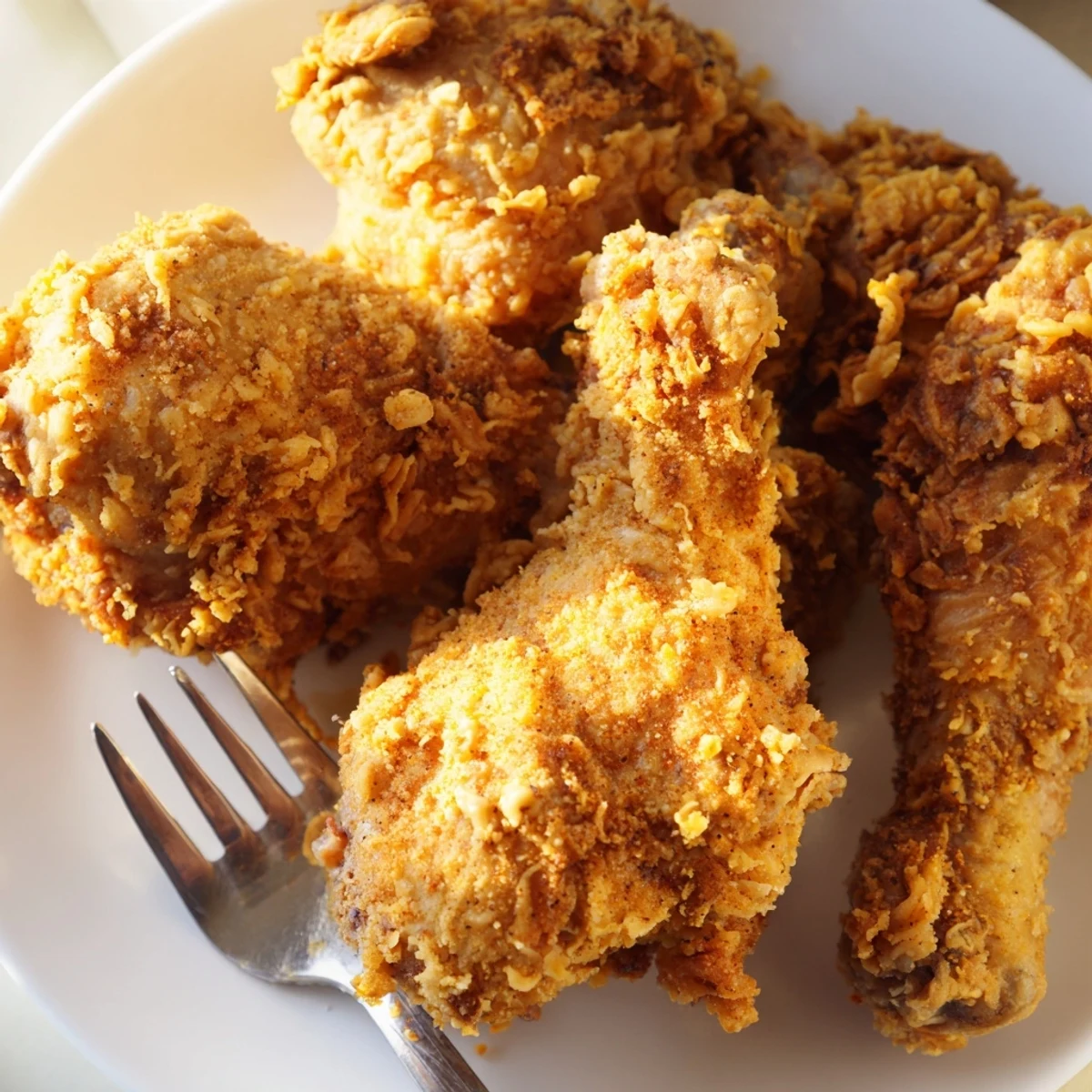
Save Good fried chicken rewards patience and practice, so do not be discouraged if your first batch is not perfect.
Common Questions
- → How long should I marinate the chicken?
-
Marinate for at least 2 hours, ideally overnight. The longer marination time allows the buttermilk to fully tenderize the meat and infuse flavors throughout.
- → What's the secret to extra crispy coating?
-
Double-dipping creates extra crunch. After the first coating, return the chicken to buttermilk briefly, then dredge again in flour mixture. Letting coated pieces rest for 10 minutes before frying also helps the coating adhere better.
- → How do I know when the chicken is done?
-
Fry for 12-15 minutes until golden brown and crisp. Use a kitchen thermometer to verify the internal temperature reaches 75°C (165°F) for safe consumption.
- → Can I make this spicier?
-
Increase the cayenne pepper in both the marinade and coating, or add hot sauce to the buttermilk mixture. You can also add finely chopped fresh chili or red pepper flakes.
- → What oil temperature is best?
-
Maintain oil temperature at 175°C (350°F) throughout frying. Too hot and the coating burns before the meat cooks; too cool and the chicken becomes greasy with soggy coating.
- → What sides work well?
-
Classic pairings include creamy coleslaw, buttery mashed potatoes, fluffy cornbread, or biscuits. A crisp lager or chilled sparkling wine complements the rich flavors beautifully.