
 Save
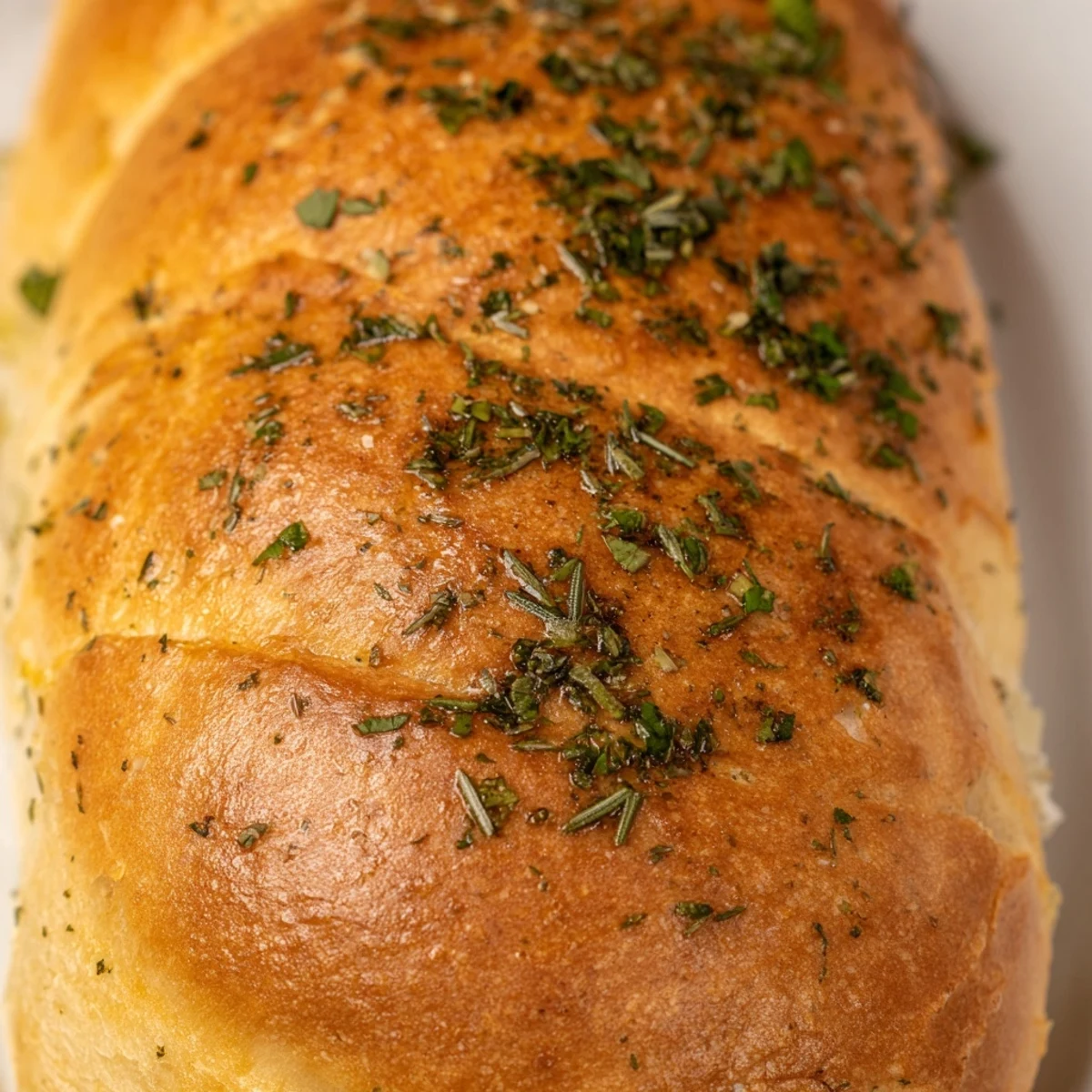
Save Craft impressive bakery-style bread at home with this simple Dutch oven technique. The combination of roasted garlic, fresh rosemary, thyme, and parsley creates an aromatic loaf that rivals any artisan bakery. The high-heat Dutch oven method produces professional results: a crackling, golden-brown crust encasing a tender, airy interior.
This versatile bread pairs beautifully with soups, salads, or pasta dishes. The dough requires no kneading—just mixing, rising, and baking. The final brush of melted butter adds richness while extra herbs provide a fragrant finishing touch.
The aroma of garlic and herbs wafting through my apartment is something I wait for all week. I stumbled onto Dutch oven bread during a particularly brutal winter when baking felt like the only warmth I could count on. Now its my go-to for bringing people together, especially when someone says they could never bake bread from scratch. Watching that dough transform into something so crusty and alive never gets old.
My sister was skeptical when I told her I was baking bread without a stand mixer or bread machine. She watched me dump everything into a bowl and stir it with a wooden spoon, looking at me like I had lost my mind. Two hours later when I pulled that golden loaf from the oven, she stood by the counter eating slice after slice, burning her fingers and not even caring.
Ingredients
- Bread flour (3 ½ cups): Higher protein content than all-purpose flour gives this bread its structure and chewy crumb
- Salt (1 ½ teaspoons): Dont skip this or reduce itsalt is what makes the flavor pop
- Sugar (1 teaspoon): Feeds the yeast and helps that gorgeous golden crust form
- Active dry yeast (1 packet): Make sure your water is warm to the touch but not hot, or youll kill the yeast
- Warm water (1 ½ cups): About 110°F if you want to be precise, but bathwater warm works perfectly
- Olive oil (2 tablespoons): Keeps the dough tender and adds subtle depth
- Garlic cloves (4): Freshly minced releases way more flavor than pre-minced from a jar
- Fresh rosemary (1 tablespoon): Woodsy and aromatic, this is what makes your kitchen smell amazing
- Fresh thyme (1 tablespoon): Adds an earthy brightness that balances the garlic
- Fresh parsley (2 tablespoons): Brings a fresh, grassy note to cut through the richness
- Melted butter (2 tablespoons): Brushing this on at the end creates that irresistible bakery shine
Instructions
- Mix the dry ingredients:
- Combine bread flour, salt, and sugar in a large mixing bowl, then stir in the yeast until everything looks evenly distributed
- Add the wet ingredients:
- Pour in the warm water and olive oil, stirring with a wooden spoon until a sticky, shaggy dough comes together
- Fold in the garlic and herbs:
- Add the minced garlic and chopped herbs, folding until theyre evenly speckled throughout the dough
- Let it rise:
- Cover the bowl with plastic wrap or a damp towel and walk away for 2 hours until the dough has doubled in size
- Shape your loaf:
- Turn the dough onto a floured surface and gently tuck the edges underneath to form a round ball
- Prep for the oven:
- Place the dough on parchment paper, cover loosely with a towel, and let it rest for 30 minutes while you preheat your Dutch oven
- Get everything screaming hot:
- Put your Dutch oven with its lid in the oven and preheat to 450°F for at least 30 minutes
- Bake with the lid on:
- Carefully lift the dough with the parchment paper into the hot Dutch oven, score the top, cover, and bake for 30 minutes
- Reveal the crust:
- Remove the lid and bake another 15 to 20 minutes until the crust is deeply golden and sounds hollow when tapped
- Add the finishing touch:
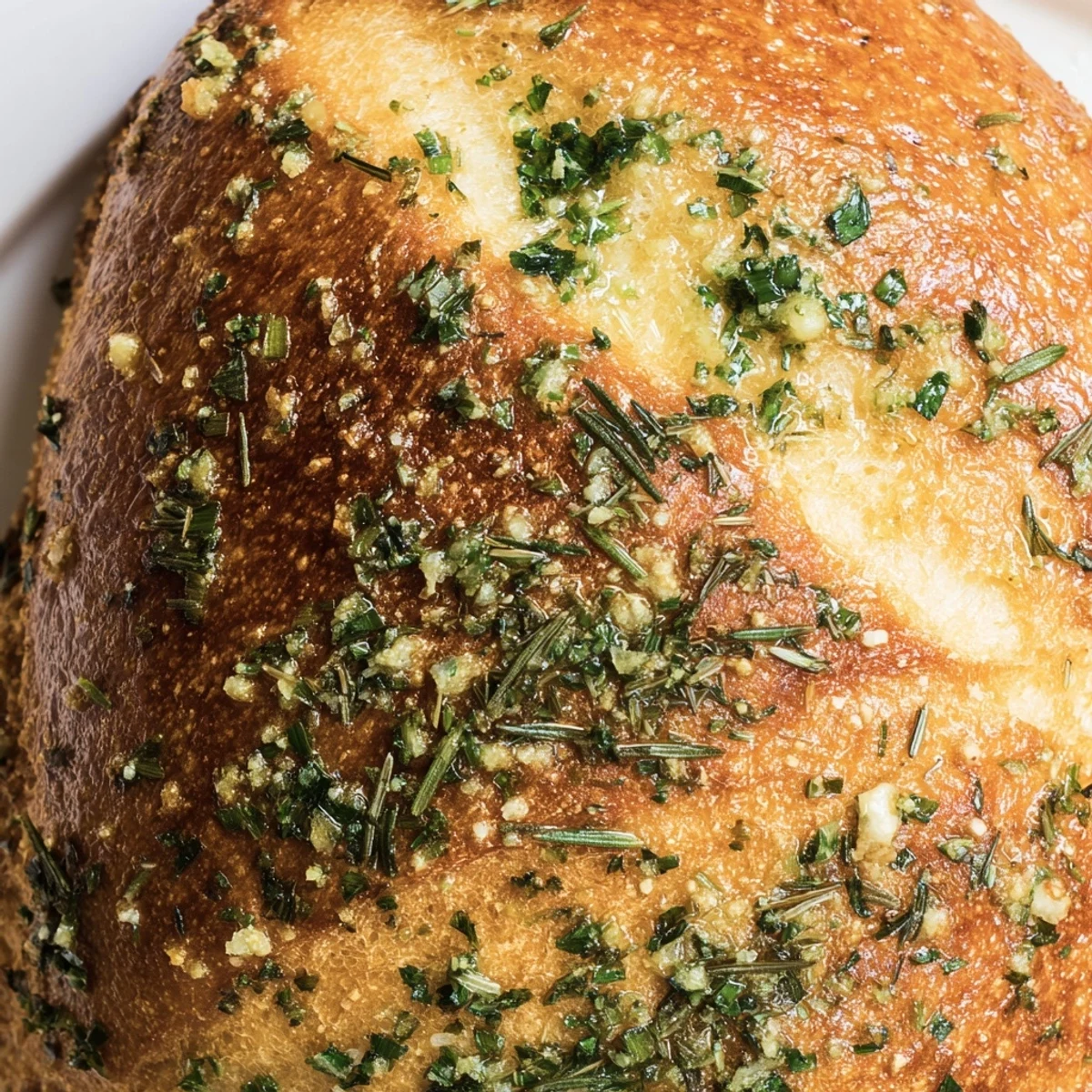
- Brush the hot bread with melted butter and sprinkle with extra parsley, then let it cool before slicing into it
 Save
Save Last Thanksgiving I made three loaves because I was so nervous they wouldnt turn out. Every single one disappeared before dinner was even served, and my cousin who never cooks asked for the recipe before shed even finished her first slice. Thats when I knew this recipe was something special.
Getting The Rise Right
Your dough needs a warm, draft-free spot to rise properly. I usually put mine in the oven with just the light onit creates the perfect cozy environment without being too hot. If your house is particularly cold, the rising time might stretch closer to 2 ½ hours, and thats completely fine.
Customization Ideas
Sometimes I swap in shredded sharp cheddar or grated Parmesan for a savory twist that drives everyone crazy. You can also add sun-dried tomatoes or caramelized onions to the dough along with the garlic and herbs. Just keep the add-ins to about a half cup total so the dough structure stays strong.
Making It Ahead
This bread is actually better the next day, if you can manage to save any. Toast leftovers and they become incredible. The garlic and herbs seem to develop even more flavor overnight.
- Mix the dough the night before and let it rise slowly in the refrigerator
- Baked loaves freeze beautifully wrapped tightly in plastic and foil
- Revive day-old bread by sprinkling with water and reheating at 350°F for 10 minutes
 Save
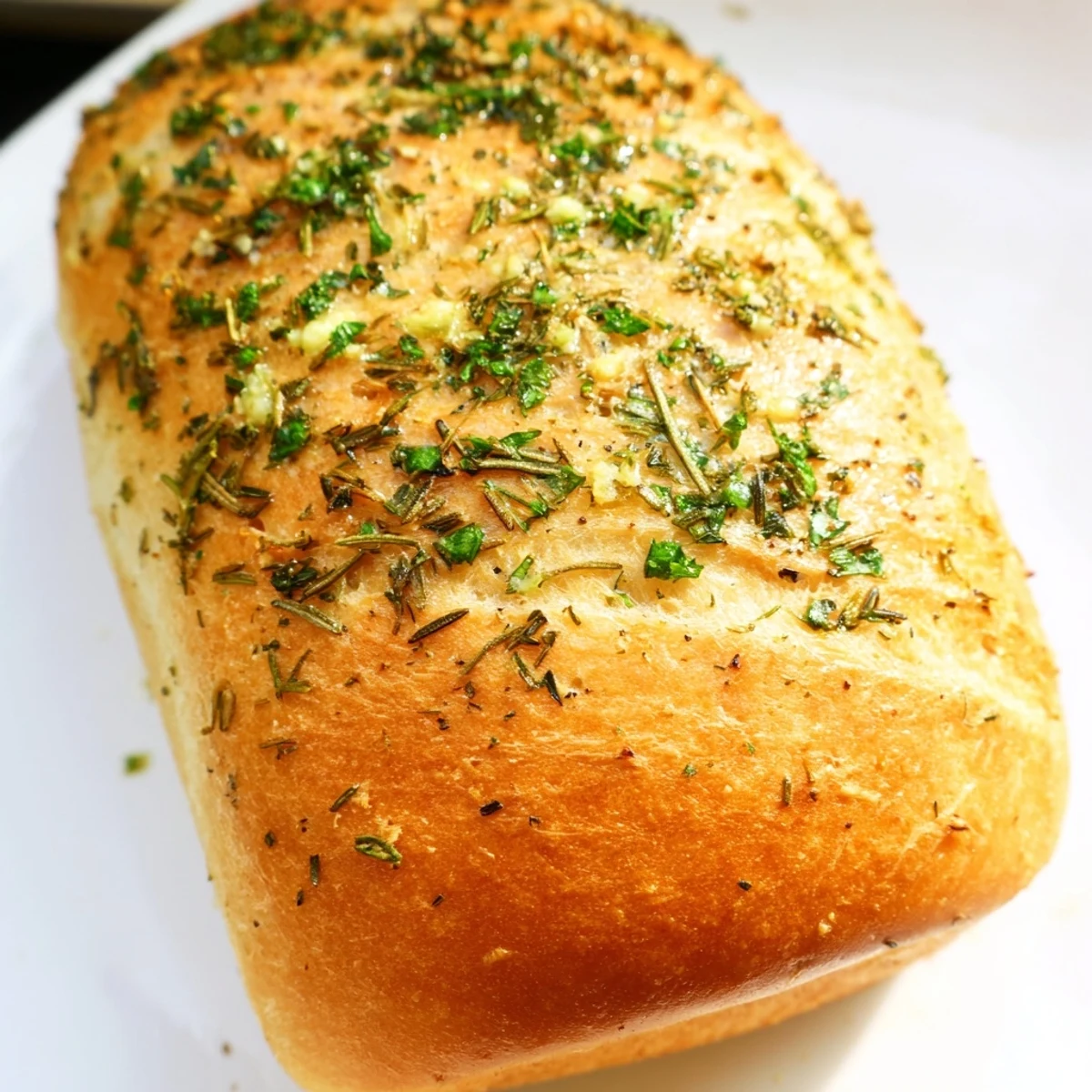
Save Theres something almost magical about pulling this bread from the oven and breaking it open with friends. The steam rises, the garlic hits your nose, and suddenly everything feels right in the world.
Common Questions
- → Can I use dried herbs instead of fresh?
-
Yes, substitute dried herbs using one-third the amount. Use 1 teaspoon each of dried rosemary, thyme, and parsley instead of the fresh quantities. Add them directly to the dough with the dry ingredients.
- → What if I don't have a Dutch oven?
-
A heavy cast iron pot with a tight-fitting lid works well. Alternatively, bake on a baking stone with a metal bowl inverted over the loaf to create steam. The key is trapping moisture during the initial baking phase.
- → How do I know when the bread is done?
-
The crust should be deep golden brown and the bread should sound hollow when tapped on the bottom. An instant thermometer inserted into the center should read between 190-200°F (88-93°C).
- → Can I prepare the dough ahead of time?
-
After the initial rise, refrigerate the dough for up to 24 hours. Let it come to room temperature for 30 minutes before shaping and proceeding with the second rise and baking.
- → Why score the top before baking?
-
Scoring creates controlled expansion points for the bread as it bakes. This prevents unsightly tearing and allows the loaf to rise properly while developing an attractive pattern on the crust.