
 Save
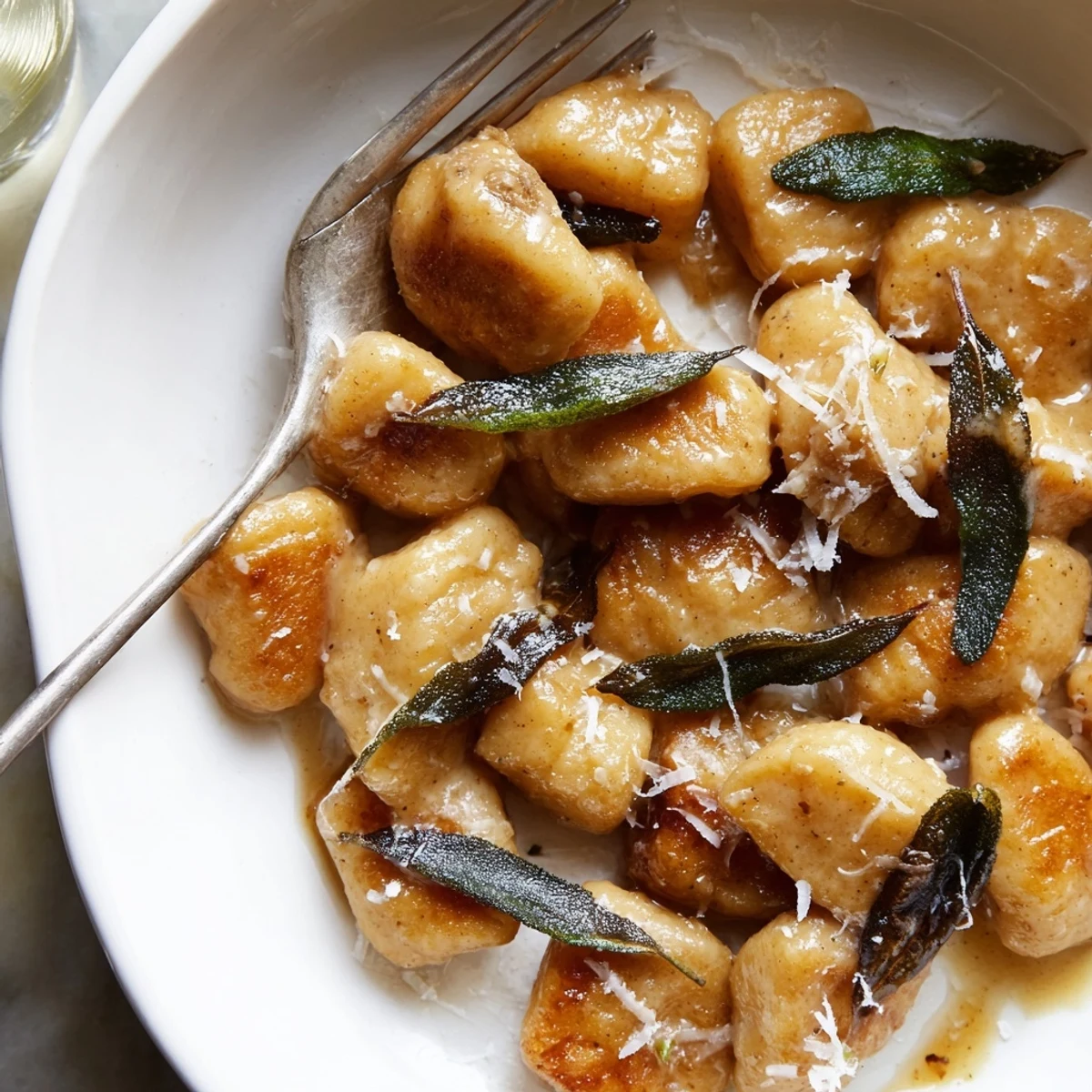
Save This classic Italian dish transforms store-bought or fresh potato gnocchi into something extraordinary with just a few quality ingredients. The magic happens when butter browns in the skillet, developing deep nutty notes that perfectly complement the delicate potato dumplings. Fresh sage leaves crisp up beautifully in the hot butter, adding texture and earthy aroma. A finish of grated Parmesan adds salty richness while fresh garlic provides subtle depth. The entire process takes just 25 minutes from start to finish, making it ideal for weeknight dinners yet impressive enough for guests. Serve alongside a crisp white wine like Pinot Grigio and perhaps a simple green salad.
The first time I made brown butter, I stood over the stove watching tiny milk solids turn golden and wondered if I'd already ruined it. That smell of toasted nuts filled the entire kitchen, and suddenly I understood why this simple technique transforms everything it touches. Now this gnocchi is my go-to when I need something that feels fancy but takes barely any effort.
Last winter my friend came over exhausted from work, and I threw this together while she talked about her day. By the time I plated the gnocchi, she'd stopped mid sentence, just breathing in that brown butter smell. We ate standing at the counter because neither of us wanted to wait to sit down properly.
Ingredients
- 500 g potato gnocchi: Fresh is ideal but shelf stable works perfectly fine, just dont overcook or theyll turn gummy
- 80 g unsalted butter: Unsalted lets you control the seasoning, and the milk solids are what create those gorgeous brown bits
- 15 to 20 fresh sage leaves: Fresh is non negotiable here, dried sage just tastes dusty and wont crisp up properly
- 2 cloves garlic: Finely minced so it melts into the butter rather than staying in distinct pieces
- 40 g freshly grated Parmesan: Buy a wedge and grate it yourself, pre grated cheese has anti caking agents that prevent smooth melting
- Salt and pepper: Finish seasoning is crucial since the gnocchi cooks in plain water
Instructions
- Get your water ready:
- Bring a large pot of generously salted water to a boil, almost as salty as the sea, because gnocchi needs that seasoning from the inside out
- Cook the gnocchi:
- Add the gnocchi and cook just until they float, usually 2 to 3 minutes max, then drain immediately but dont rinse that starch helps the sauce cling later
- Make the brown butter magic:
- Melt butter in a large skillet over medium heat, add sage leaves, and swirl constantly until butter turns golden brown and sage is crispy, about 3 to 4 minutes, watching closely because it can burn in seconds
- Add the garlic:
- Throw in minced garlic and sauté for just 30 seconds until fragrant, any longer and it might turn bitter and harsh
- Bring it all together:
- Add cooked gnocchi to the skillet, toss gently to coat every piece in that beautiful brown butter, then sprinkle with Parmesan and toss again until melted and glossy
- Plate it up:
- Divide among warm plates, top with extra Parmesan and cracked pepper, and serve immediately while the sage is still crisp and the sauce is silky
 Save
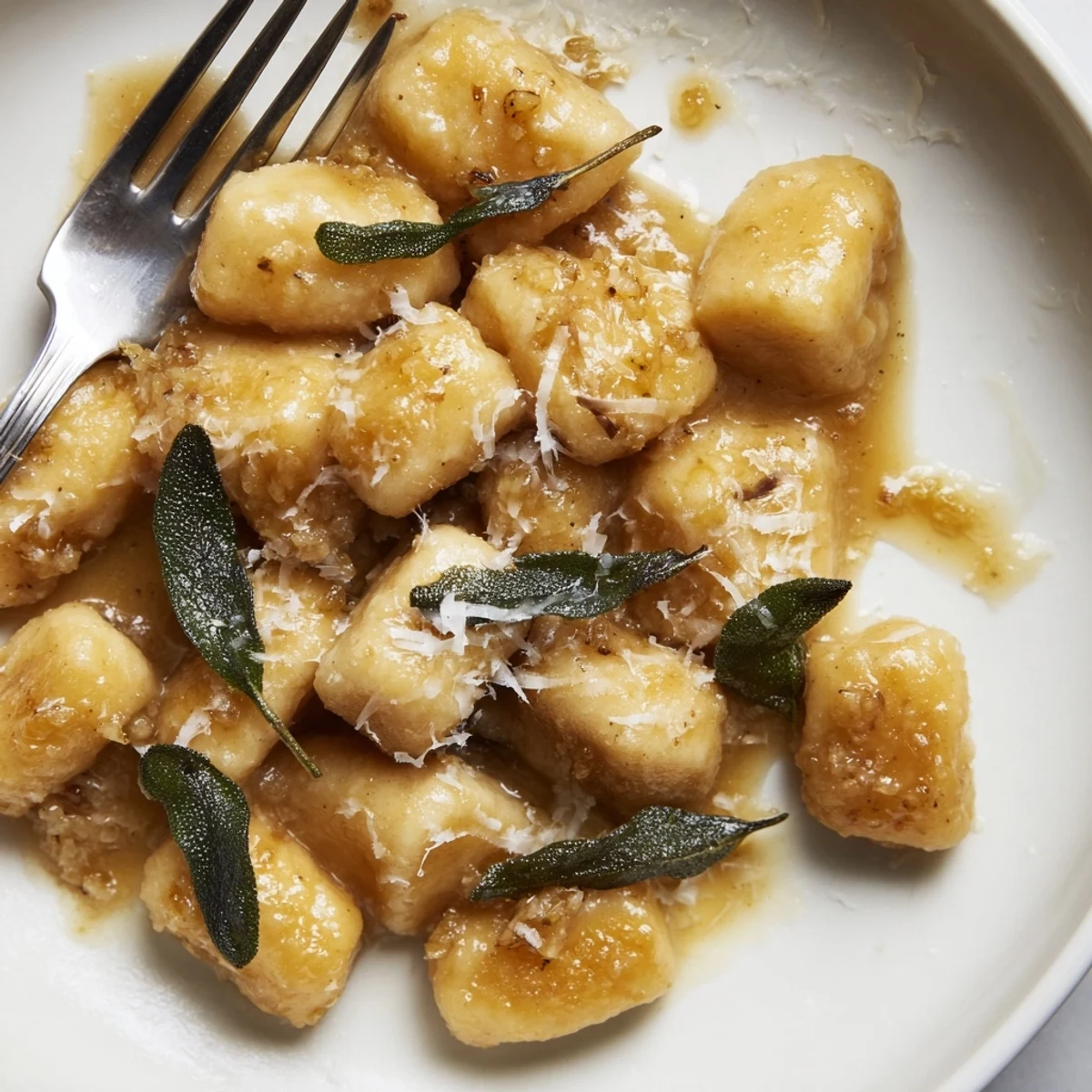
Save This recipe became my anniversary tradition because it feels special enough for celebration but intimate enough for just the two of us. Something about standing at the stove together, watching the butter brown, just sets the right tone for the evening.
Choosing the Right Gnocchi
Ive tried every gnocchi available, and honestly fresh from the refrigerated section makes a noticeable difference in texture. They cook more evenly and hold their shape better than the shelf stable kind, though in a pinch those work too. Look for packages that feel heavy and dense, not light and airy, which usually means more potato and less filler.
Mastering Brown Butter
The secret is patience and paying attention, stirring constantly so the milk solids brown evenly instead of settling and burning. Youll know its ready when the foam subsides and you see those tiny golden brown particles at the bottom and smell this incredible toasted nut aroma. Some people strain out the solids, but I leave them in because theyre where all the flavor lives.
Serving Suggestions
This dish is rich enough to stand alone but pairs beautifully with something bright and acidic to cut through all that buttery goodness. A simple arugula salad with lemon vinaigrette or some roasted asparagus would balance the meal perfectly.
- A crisp white wine like Pinot Grigio cuts through the richness beautifully
- Keep lemon wedges on hand for guests who want extra brightness
- Grate extra Parmesan at the table because everyone always wants more
 Save
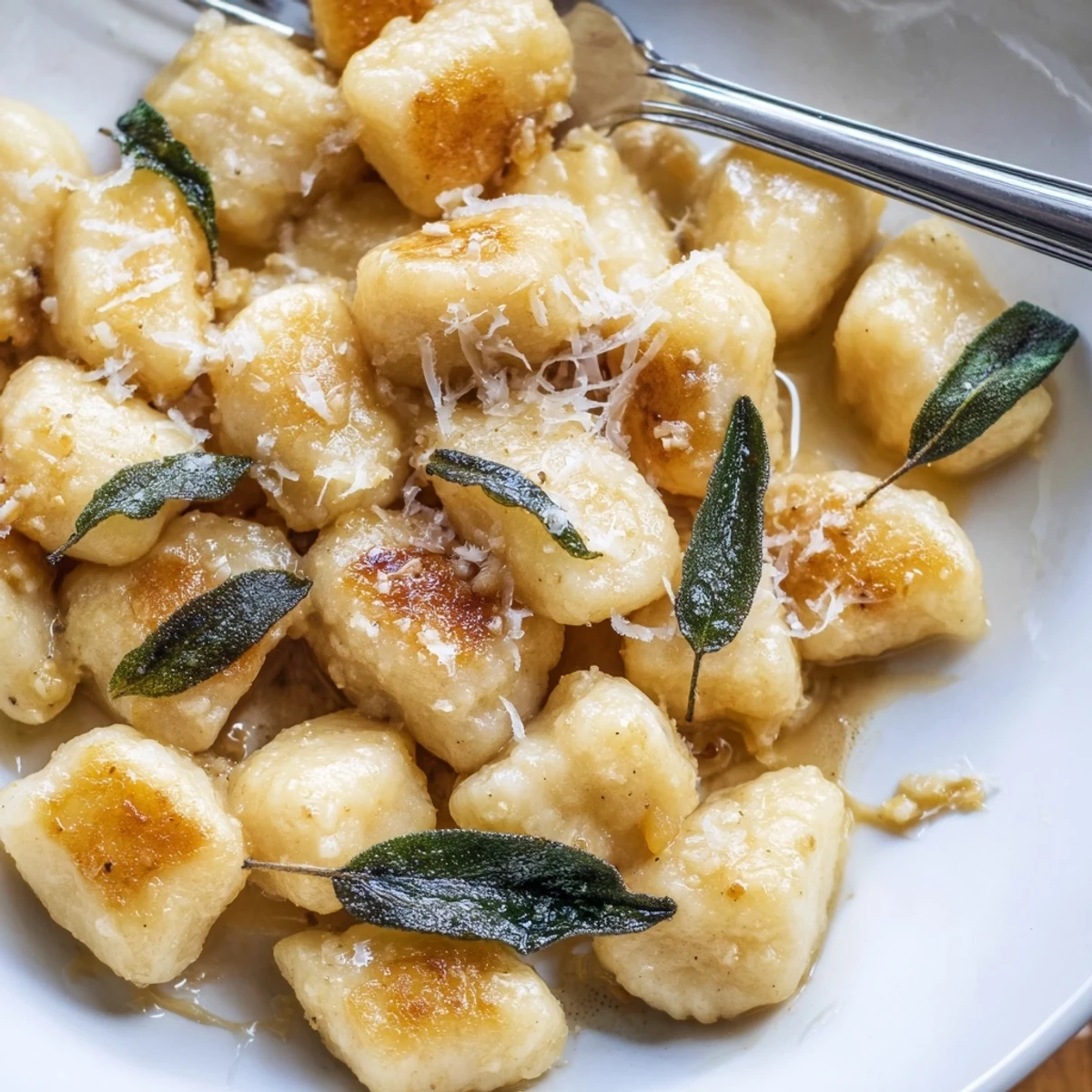
Save Hope this becomes your comfort too, for nights when you need something cozy but dont want to spend hours in the kitchen. Theres something almost meditative about watching butter brown and knowing dinner will be ready in minutes.
Common Questions
- → How do I know when butter is properly browned?
-
Watch the butter melt and foam in your skillet over medium heat. The milk solids will separate and turn golden brown, releasing a nutty aroma. This takes 3-4 minutes—remove from heat immediately once golden to prevent burning.
- → Can I make this dish ahead of time?
-
Best enjoyed fresh, as the sage stays crispest and the gnocchi retains its pillowy texture. You can prep ingredients ahead—mince garlic, grate cheese, wash sage—but cook everything just before serving for optimal results.
- → What's the best way to prevent gnocchi from sticking?
-
Use a large pot with plenty of boiling salted water. Don't overcrowd—the gnocchi needs space to float freely. Drain thoroughly and add to the butter skillet immediately while still slightly damp for better coating.
- → Can I use dried sage instead of fresh?
-
Fresh sage is essential for the crisp texture and vibrant flavor that defines this dish. Dried sage won't provide the same aromatic crunch and can taste dusty. If substituting, use only 1 teaspoon dried and add it with the garlic.
- → What proteins pair well with this gnocchi?
-
While substantial enough on its own, grilled chicken, pan-seared scallops, or roasted pork tenderloin complement the rich flavors. For vegetarian options, add sautéed wild mushrooms or white beans to boost protein content.
- → How can I tell when gnocchi is done cooking?
-
Fresh or refrigerated gnocchi typically cooks in 2-3 minutes. The dumplings will float to the surface when fully cooked. Test one by cutting it open—it should be tender throughout, not gummy or dense in the center.