
 Save
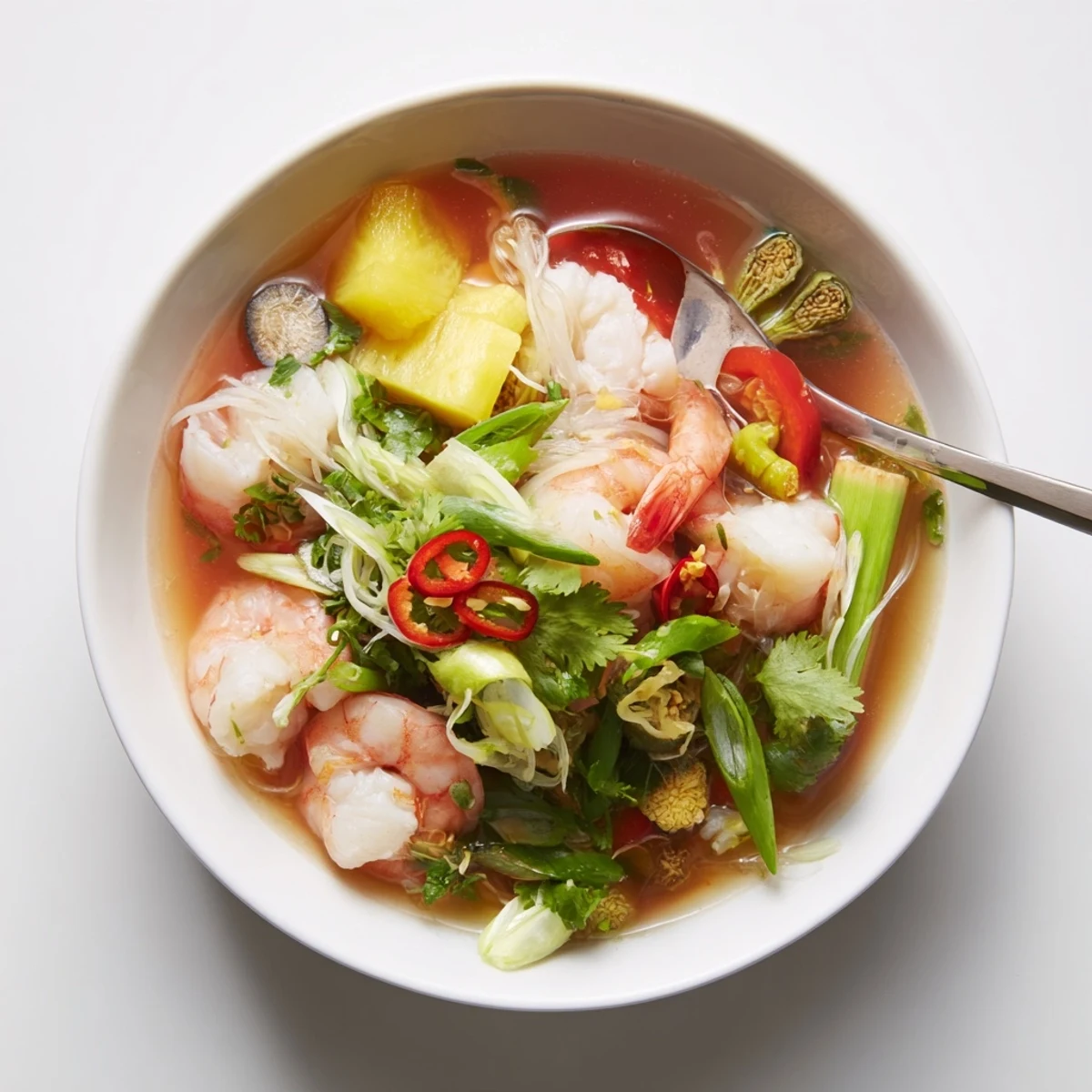
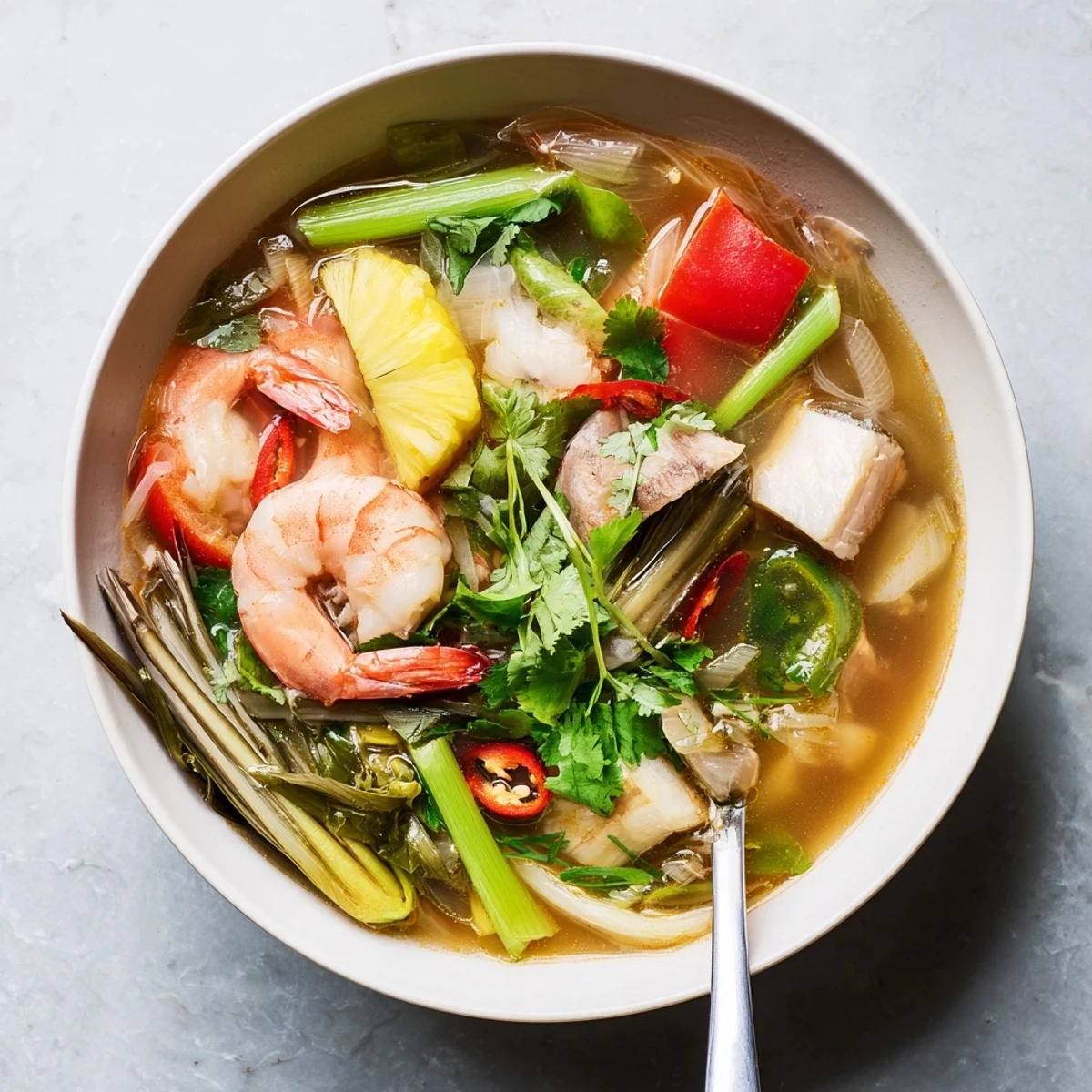
Save Canh Chua brings together the classic Vietnamese flavor profile of sweet, sour, and salty in one comforting bowl. The tamarind-based broth gets its natural sweetness from pineapple, while fresh herbs like Thai basil and cilantro add aromatic depth. White fish fillets and shrimp simmer gently in the fragrant liquid, absorbing the complex flavors. Bean sprouts provide crunch, and tomatoes lend body to the broth. This soup balances perfectly with steamed jasmine rice, making it a complete meal that's both refreshing and satisfying.
The first time my grandmother made Canh Chua, I watched in fascination as she balanced sweet pineapple against sour tamarind, tasting and adjusting until the broth hit that perfect equilibrium. She told me the soup isnt right until you pucker slightly, then smile immediately after. Now whenever pineapple goes on sale, I know exactly what were having for dinner that night.
Last summer, my friend Lan invited me over for a lunch that felt like stepping into her childhood kitchen in Saigon. She taught me how to properly bruise lemongrass with the back of my knife, releasing those citrus oils that make the whole house smell incredible. We ate this soup steaming hot despite the humidity outside, and somehow it was exactly right.
Ingredients
- White fish fillets: Catfish holds up beautifully in the hot broth without falling apart, though tilapia works in a pinch
- Shrimp: They add sweetness and a firm texture contrast to the tender fish pieces
- Pineapple: Fresh is non negotiable here, canned lacks the bright acidity needed for balance
- Tomatoes: Choose ones that yield slightly to pressure, theyll break down into the broth
- Bean sprouts: Add them at the very end so they stay crisp and fresh
- Okra: Completely optional but traditional, it helps naturally thicken the soup slightly
- Lemongrass: Bruising the stalks releases the essential oils that perfume the entire broth
- Tamarind paste: This is the soul of the soup, that sour note that everything else pivots around
- Fish sauce: Use a good quality brand, it provides the salty depth that ties everything together
- Fresh herbs: Thai basil and sawtooth herb are traditional but cilantro alone works beautifully too
Instructions
- Build the aromatic base:
- Heat oil in your largest pot over medium heat, then sauté garlic and onions until they turn translucent and your kitchen starts smelling amazing
- Wake up the flavors:
- Add lemongrass pieces and tomatoes, cooking until the tomatoes start breaking down and releasing their juices into the bottom of the pot
- Create the broth:
- Pour in your water or stock, then stir in tamarind paste and sugar until dissolved, letting everything simmer together for a few minutes
- Add the vegetables:
- Drop in pineapple, celery, and okra, letting them cook until tender but still holding their shape
- Gently cook the seafood:
- Slide in fish chunks and shrimp carefully, simmering just until the seafood turns opaque and flakes easily, about five minutes
- Balance the seasoning:
- Taste and adjust with fish sauce, then tweak the sugar or tamarind until you hit that sweet spot where you pucker then smile
- Finish with fresh elements:
- Stir in bean sprouts and most of your herbs, saving some for garnish, then turn off the heat immediately
 Save
Save There's something magical about setting a steaming bowl of this soup on the table, the steam carrying lemongrass and herbs into the air. Everyone instinctively leans in, breathing it in before even picking up a spoon. Conversation always pauses as the first spoons reach lips, followed immediately by those satisfied sighs that tell you everything is in balance.
Getting The Balance Right
The hardest part of this recipe is trusting how sour the broth should be. I spent years under seasoning the tamarind until I watched a Vietnamese cook barely measure, just adding by instinct and tasting repeatedly. Start with less than the recipe calls for, then keep adding and tasting until your mouth tingles just right.
Choosing Your Fish
Catfish is traditional because it doesnt fall apart in the hot broth, but any firm white fish works beautifully. I've used snapper, cod, and even halibut when feeling extravagant. The key is cutting pieces large enough that they won't disintegrate during simmering, about two inches across.
Making It Ahead
The broth actually tastes better the next day as flavors meld together. Make everything up to adding the seafood, then cool and refrigerate overnight. When ready to serve, bring it back to a gentle simmer and finish with fish and fresh herbs. The soup keeps beautifully for three days in the refrigerator, though the herbs will lose their brightness.
- Freeze the broth without seafood for up to two months
- Always reheat gently to avoid toughening any seafood
- Fresh herbs should be added right before serving, never reheated with them
 Save
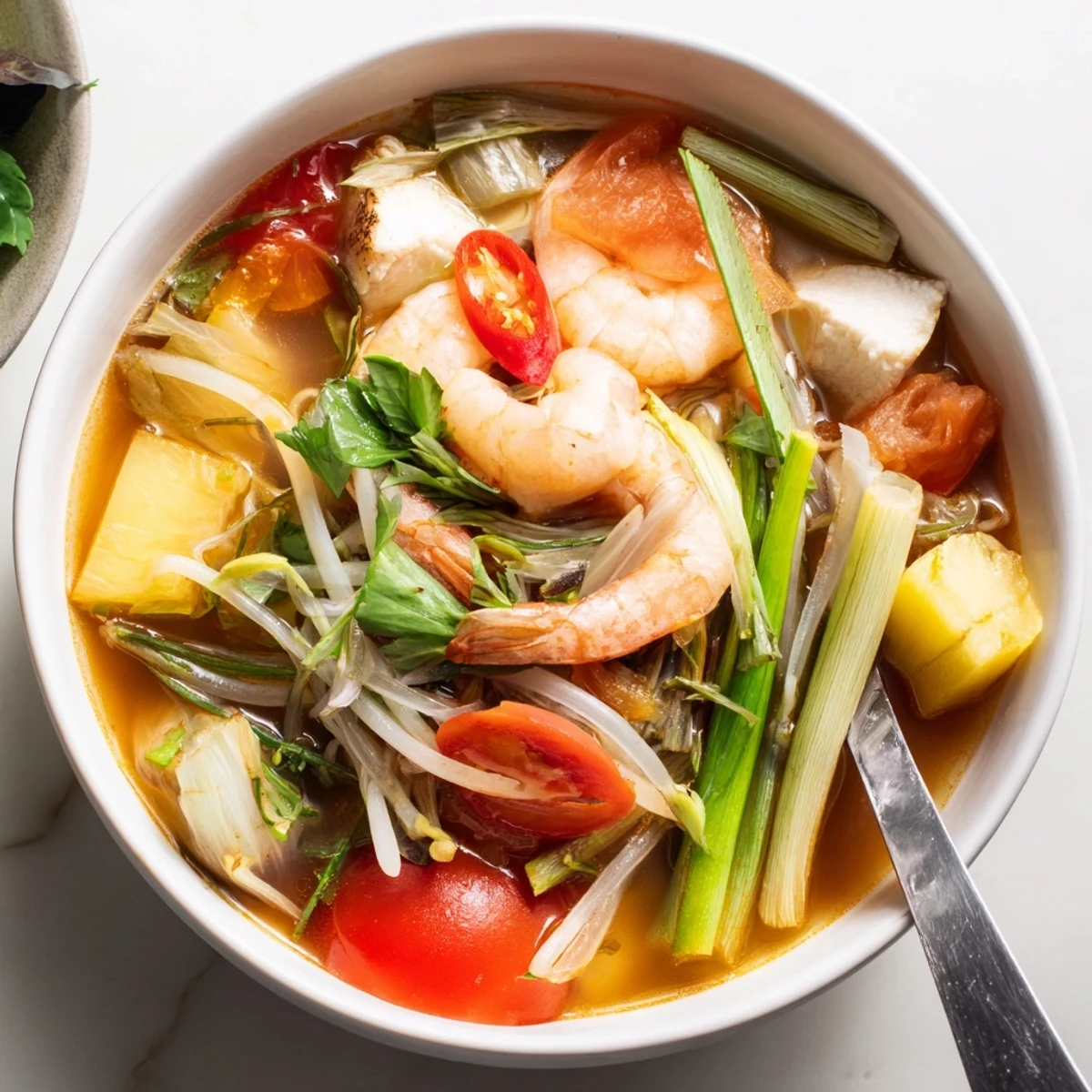
Save Serve this soup over steaming jasmine rice and let the broth soak into every grain. Its the kind of meal that makes you pause between bites, grateful for such perfect balance in a bowl.
Common Questions
- → What makes Canh Chua sour?
-
The sourness comes primarily from tamarind paste, which provides a deep, fruity acidity. You can also use fresh lime juice as a substitute, though it will give a brighter, sharper sour note.
- → Can I make this soup vegetarian?
-
Yes, substitute the fish with firm tofu and use vegetable stock instead of fish stock. Replace fish sauce with soy sauce or a vegetarian fish sauce alternative for umami flavor.
- → What type of fish works best?
-
White fish fillets like catfish, tilapia, snapper, or sea bass are ideal because they hold their shape during cooking and absorb flavors well. Avoid delicate fish that might flake apart.
- → Can I prepare Canh Chua in advance?
-
The broth base can be made ahead and refrigerated for up to 2 days. Add the seafood and fresh herbs just before serving, as overcooking will make the fish tough and herbs lose their brightness.
- → What herbs are essential for authentic flavor?
-
Thai basil and rice paddy herb (ngò om) are traditional. If unavailable, substitute with regular sweet basil and extra cilantro. Sawtooth herb adds a unique peppery-cilantro flavor but is optional.
- → How do I adjust the flavor balance?
-
Taste the broth after adding tamarind and sugar. Add more tamarind for sourness, more sugar for sweetness, and fish sauce for saltiness. The goal is a harmonious balance where no single flavor dominates.