
 Save
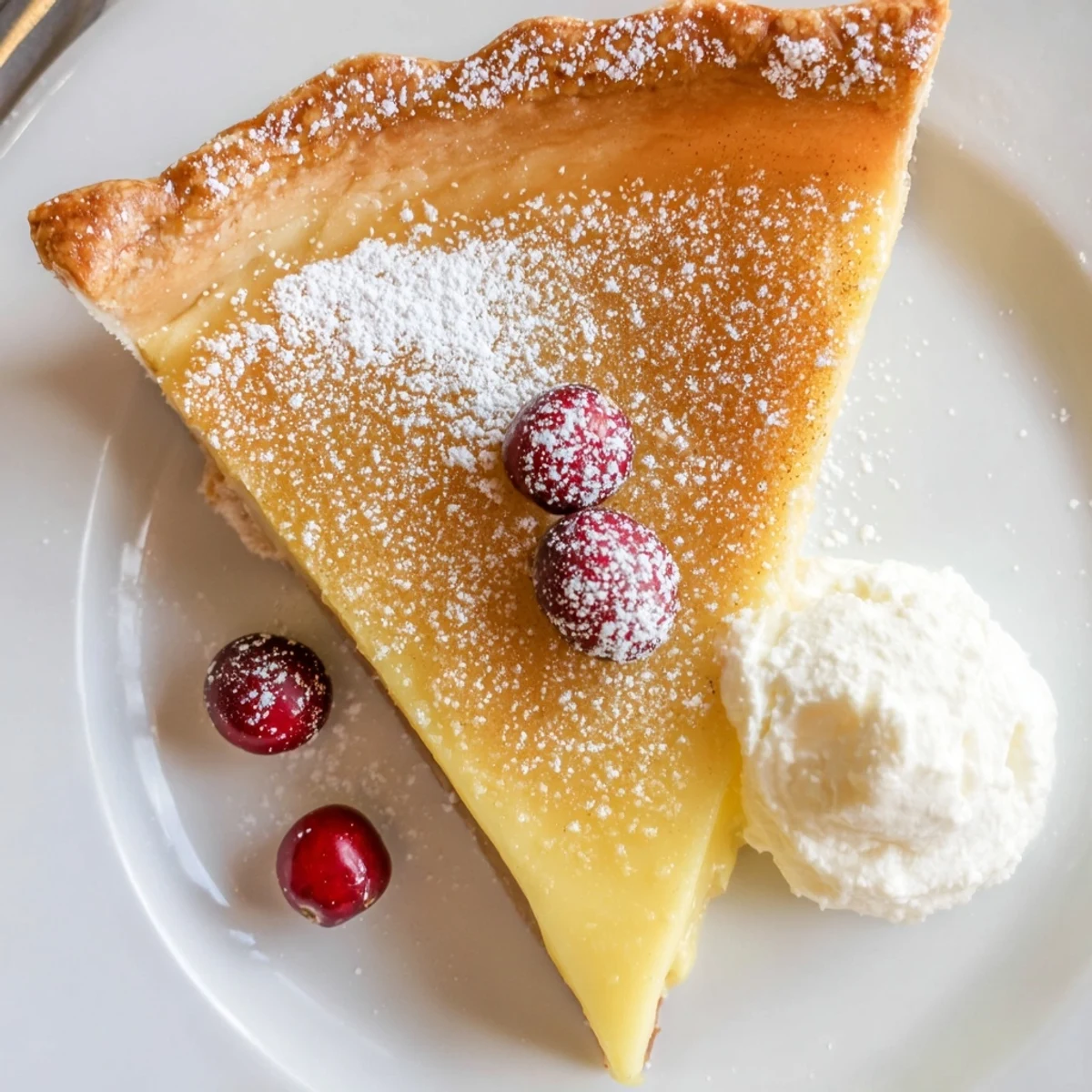
Save This custard combines warmed milk and cream with whisked eggs, sugar and cornstarch, folded with vanilla and cinnamon. After tempering and straining for a silky texture, pour into a 9-inch crust and bake at 350°F for 45–50 minutes until the center is just set. Cool on a rack and chill at least 2 hours. Finish with a dusting of cinnamon, powdered sugar or sugared cranberries for holiday flair.
One December afternoon, the sharp scent of cinnamon curling through the kitchen was a sign that Christmas Eve was almost here. Cold air pressed at the windows as I set out the simple ingredients for this custard pie — a recipe born not from inherited tradition, but from a craving for something mellow and deeply comforting. There’s a quiet joy in watching cream swirl into egg yolks, the air sweetening just as holiday anticipation starts to buzz. Warm custard, flaky crust, and a scattering of cinnamon: somehow these flavors captured the spirit of gathering, whether your crowd is boisterous or small and sleepy.
Last year, when icy rain drove our Christmas Eve walk indoors, I baked this pie for a friend who had trudged over in muddied boots. We sliced it still slightly warm from the oven with mugs of spiced tea, not caring to wait for it to cool completely. The conversation drifted between old memories and unexpected plans, as the cinnamon fragrance seemed to fill every quiet space. To this day, I don’t remember the presents — just that pie, the laughter, and how no crumb was left behind.
Ingredients
- Unbaked pie crust (9-inch): I've learned that a homemade crust is worth the extra few minutes if you have time, but store-bought will still cradle the custard beautifully.
- Whole milk: The backbone of the custard; don’t skimp, as low-fat milk will leave it watery.
- Heavy cream: Adds silkiness and a rich mouthfeel that makes the custard luxurious.
- Large eggs: Room temperature eggs blend more smoothly and help the pie set gorgeously.
- Granulated sugar: Just sweet enough to highlight the vanilla without becoming cloying.
- Cornstarch: A little goes a long way — it prevents curdling and gives the custard its plush texture.
- Vanilla extract: Use pure extract if you can; it's noticeable in every bite.
- Ground cinnamon: Measure with heart — this is what makes the pie smell like Christmas.
- Fine sea salt: Just a pinch sharpens all the sweet notes; don’t leave it out.
- Powdered sugar (optional): For dusting, it adds a snowy look and a touch more sweetness.
Instructions
- Prep the Pie Crust:
- Slide the crust into your favorite pie pan and press gently to fit; fuss with ruffled edges or keep it simple, whatever suits your mood today.
- Warm the Milk & Cream:
- Stir milk and cream over medium heat just until wisps of steam appear, sending up a soft, sweet perfume — but don’t let it come to a boil.
- Whisk the Custard Base:
- In a large bowl, blend eggs, sugar, cornstarch, vanilla, cinnamon, and salt until it’s the color of mellow gold and perfectly smooth.
- Combine Wet Ingredients:
- Trickle the hot milk into the egg mixture while whisking briskly; this step is your insurance for a silky, lump-free custard.
- Strain for Smoothness:
- Pour the custard through a fine sieve — little bits of cooked egg or clumps are left behind, never in your final pie.
- Fill and Bake:
- Carefully fill the crust with custard and bake until the center trembles just slightly when nudged; the smell will tease everyone into the kitchen long before it’s done.
- Finishing Touches:
- Cool on a wire rack, scatter with cinnamon, and (why not) dust it with snowy powdered sugar for that festive look.
- Chill and Serve:
- Let the pie chill in the fridge until set — slicing too early is tempting, but patience here means perfect wedges.
 Save
Save One unexpected Christmas Eve, as sleet rattled the windows and our planned dinner ran late, it was this custard pie that coaxed everyone to the table. Just for a moment, forks paused and conversation hushed — all eyes landed on that first, soft slice, warm from the oven, and suddenly it truly felt like a holiday.
Rolling with Pie Crust Worries
More than once, my edges have shrunk or cracked in the oven, and I’ve learned to patch little tears with extra dough and an easy touch. If the crust ever browns too fast, a quick foil ring shields it so the filling isn’t compromised. Chilling the formed crust for a few minutes before baking also helps maintain those pretty crimps. Allow yourself some latitude — a rustic look is every bit as inviting as a perfectly neat edge.
Aromas That Set the Mood
The vanilla and cinnamon perfume the entire kitchen, drawing everyone out from under blankets or away from their screens to hover nearby. Sometimes, I add a few cloves forgotten at the back of the spice drawer for an extra dimension, but even as written, the scent is unmistakable. A pie cooling on a rack with a trace of steam rising up is its own invitation to sneak a spoonful before it sets properly. Let the pie cool where everyone can admire the anticipation before dessert is served.
Little Extras For Festive Flair
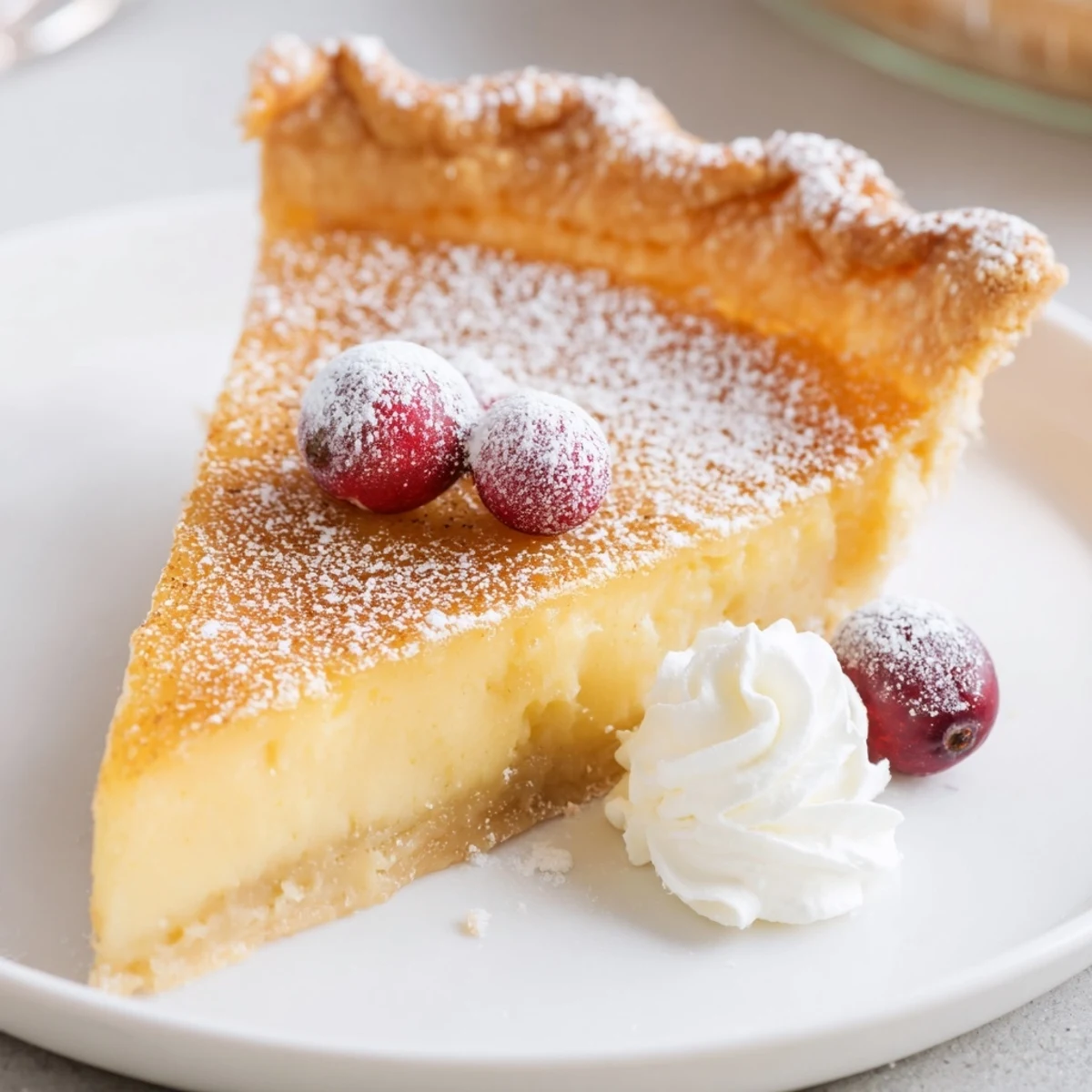
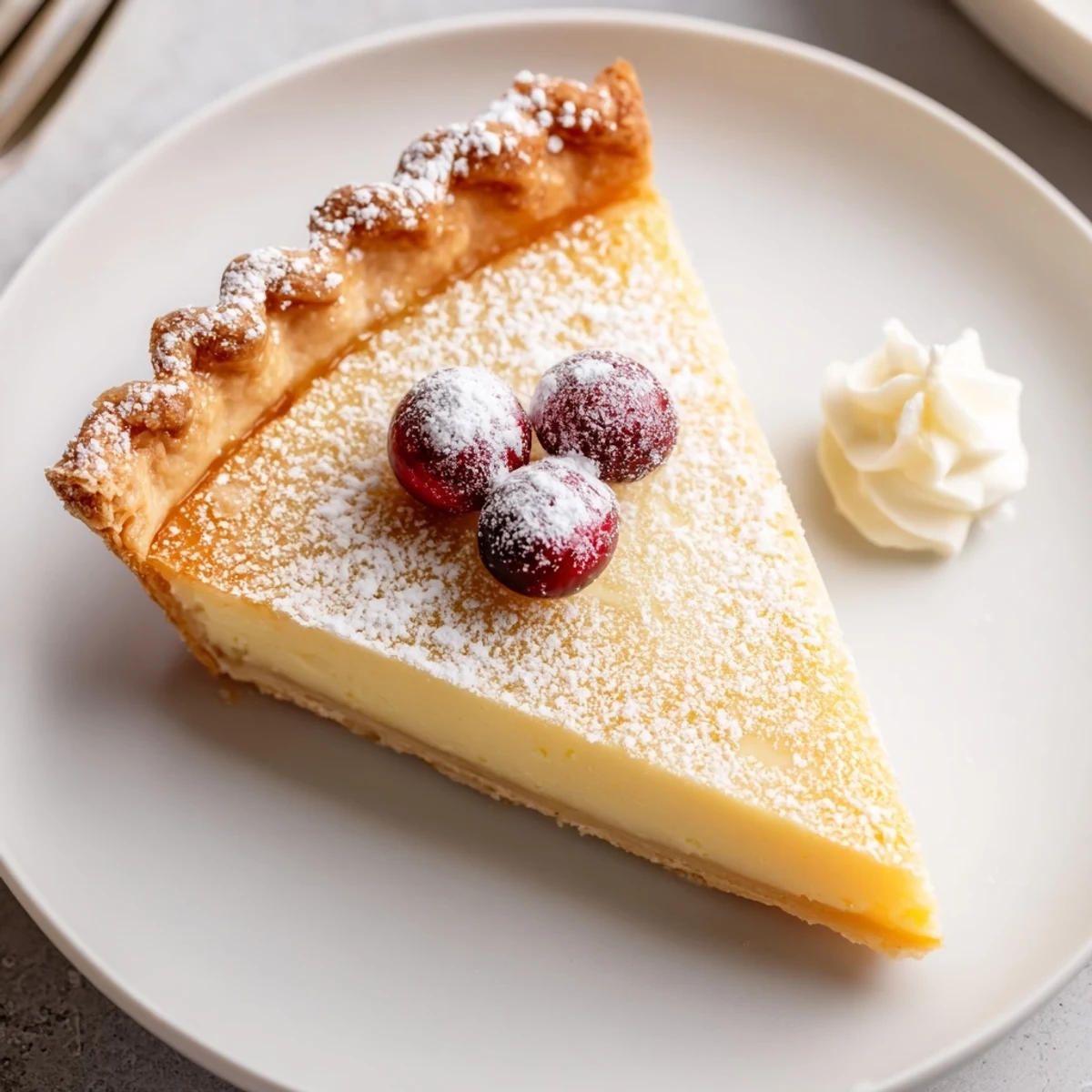
For holiday garnish, sugared cranberries or whipped cream can turn each plate into a celebration. If you’re feeling bold, a splash of good bourbon or brandy folded into the custard is an adult twist I stumbled on by happy accident. Powdered sugar dusted on just before serving gives the illusion of fresh snowfall right at the table.
- Keep an eye on the bake toward the end — the center should jiggle but not slosh.
- If storing leftovers, press plastic wrap directly onto the pie surface to prevent a skin.
- Serve with coffee or tea for the perfect cozy pairing.
 Save
Save This pie always finds a place at our holiday table, no matter how many guests or how simple the meal. It’s my little promise of comfort and sweetness — a slice of quiet joy in the heart of midwinter.
Common Questions
- → How can I tell when the custard is done?
-
- → Do I need to strain the filling?
-
Yes. Straining removes any cooked egg bits and tiny lumps, giving a smooth, silky custard texture that slices cleanly.
- → Can I use lower-fat milk or nondairy milk?
-
Using lower-fat milk or a nondairy alternative will yield a lighter texture and less richness. For best creaminess, keep some full-fat dairy or use a creamy nondairy alternative like oat or full-fat coconut.
- → How do I prevent a soggy crust?
-
Blind-baking briefly or baking on a preheated baking sheet can help. If the edges brown too fast, tent with foil. Ensure the filling isn’t too thin by properly whisking the cornstarch into the egg mixture.
- → Can I add a splash of alcohol for extra depth?
-
A tablespoon or two of bourbon or brandy folded into the custard brightens the flavor without altering texture—add it after tempering and before pouring into the crust.
- → How should leftovers be stored and served?
-
Cover and refrigerate for up to three days. Serve chilled or at cool room temperature; slices hold best after at least two hours of chilling.