
 Save
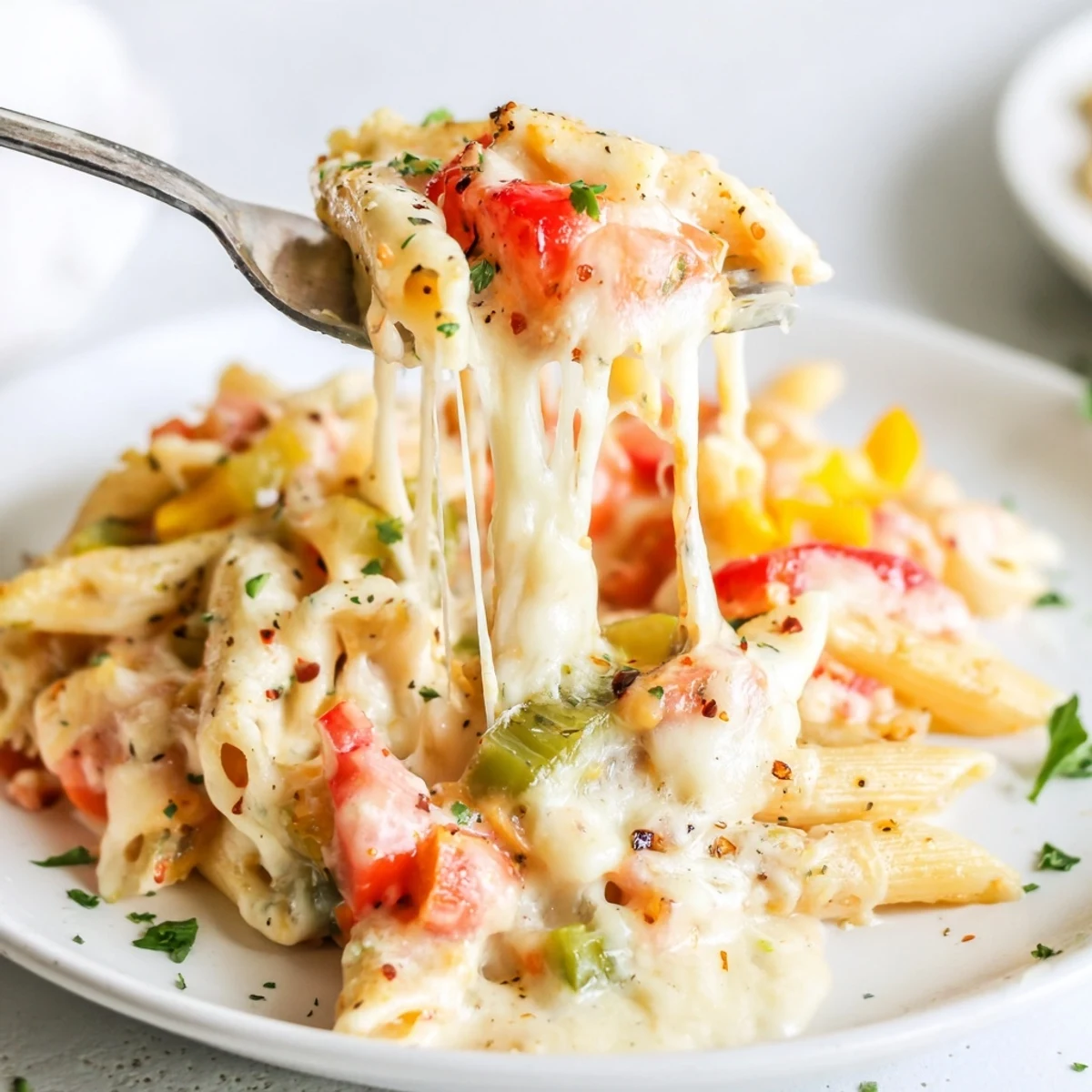
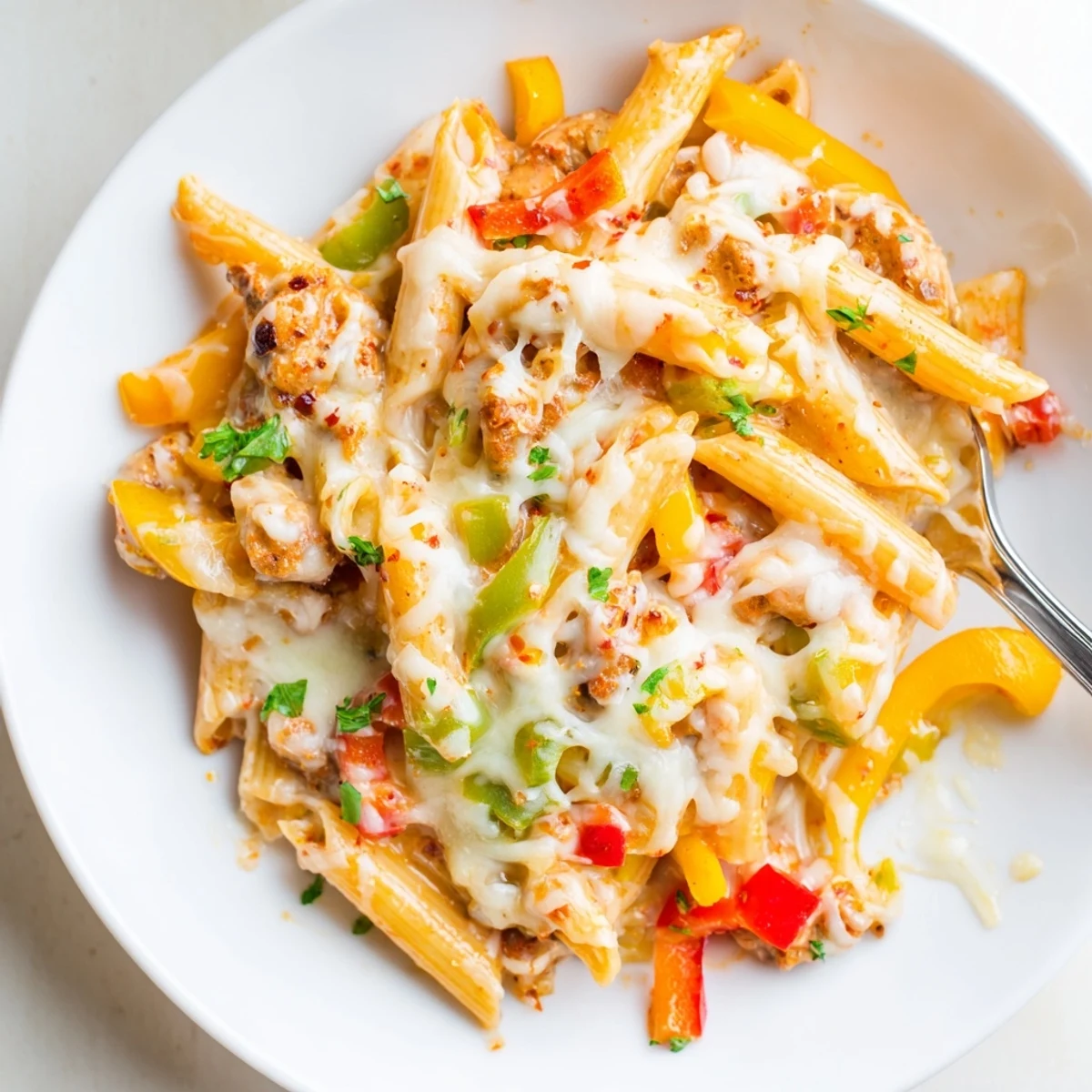
Save This one-pan skillet pasta layers sautéed red and green bell peppers, onion and garlic with canned tomatoes and short pasta. Simmered in the tomato juices until nearly absorbed, the pasta finishes with milk and a trio of cheeses for a creamy, melty sauce. Brief broil adds golden, bubbly top. Tips: use firm short cuts, stir occasionally, swap plant-based cheese or add cooked protein for variation.
The skillet hit the stove with a clang that Tuesday evening when nothing in the fridge made sense together except a pair of bell peppers and half a bag of penne. Forty minutes later I was scraping the last gooey string of mozzarella off the rim of the plate wondering why I had ever bothered with actual stuffed peppers when this deconstructed version delivered every bit of the comfort in a single pan.
My roommate walked in right as the cheese started bubbling under the broiler and stood speechless for a solid ten seconds before muttering that it smelled like a pizza parlor had collided with a farmers market. We ate straight from the skillet with two forks and never even bothered plating it.
Ingredients
- 2 medium bell peppers, one red and one green, diced: The color mix is not just for looks because each brings a slightly different sweetness that builds a more interesting base.
- 1 small yellow onion, finely chopped: Finely is the key word here since chunky onion pieces fight against the creamy sauce you are building.
- 2 cloves garlic, minced: Fresh garlic only because the jarred stuff gets lost once the tomatoes and smoked paprika join the party.
- 1 can diced tomatoes with juices: Do not drain the can because that liquid is part of what cooks the pasta.
- 8 oz short cut pasta such as penne or rotini: Shells are my favorite because they catch little pools of cheese in every fold.
- 1 cup shredded mozzarella: Shred it yourself from a block for the best melt since pre shredded bags contain anti caking powder that makes the sauce grainy.
- 1/2 cup shredded cheddar cheese: A modest amount is all you need for a sharp tang that cuts through the richness of the mozzarella.
- 1/4 cup grated Parmesan: Save this for the top because its salty punch works best as a finishing layer.
- 1/2 cup whole milk or cream: Whole milk keeps it lighter but a splash of cream on a cold night turns this into pure luxury.
- 2 tbsp olive oil: A generous coating in the skillet gets the peppers frying with real flavor rather than steaming.
- 1 tsp dried Italian herbs: Any blend of basil, oregano, and thyme works and you likely already have one lurking in the back of your spice cabinet.
- 1/2 tsp smoked paprika: This is the sneaky ingredient that makes people ask what is different about this dish.
- Salt and black pepper to taste: Start conservative since the cheeses and tomatoes already bring sodium to the pot.
- Fresh parsley, optional: A handful chopped over the top adds a bright bite that balances the heaviness of all that melted cheese.
Instructions
- Start the pepper base:
- Heat the olive oil in a large oven safe skillet over medium heat and toss in the diced peppers and onion, stirring until the edges soften and everything smells sweet and fragrant, about four to five minutes.
- Wake up the garlic:
- Stir in the minced garlic and cook for just one minute until you can smell it bloom, pulling it off the heat too soon is better than letting it brown.
- Build the sauce:
- Pour in the diced tomatoes with all their juices and add the smoked paprika, Italian herbs, salt, and pepper, stirring everything together so the spices toast in the oil for a moment before the tomatoes cool them down.
- Cook the pasta in the sauce:
- Add the dry pasta and two cups of water directly to the skillet, stir well, bring it to a boil, then drop the heat to low, cover, and simmer for ten to twelve minutes, stirring every few minutes so nothing sticks to the bottom.
- Make it cheesy:
- With the heat on low, pour in the milk and scatter the mozzarella and cheddar across the top, then stir gently until every strand of pasta is coated in a smooth creamy sauce that pulls together in seconds.
- Broil for the golden crown:
- Sprinkle the Parmesan evenly over the surface and slide the whole skillet under the broiler for two to three minutes until the top turns golden and develops blistery spots that crunch when you bite into them.
- Finish and serve:
- Scatter chopped parsley across the top if you are using it and bring the skillet to the table hot, warning everyone that the handle will burn them because someone always grabs it anyway.
 Save
Save That skillet became our Tuesday night tradition for an entire winter, and even now the smell of smoked paprika and tomatoes hitting hot oil pulls me right back to that cramped kitchen with the wobbly table.
Making It Your Own
This recipe is more of a method than a rule and I have thrown in leftover roasted vegetables, stirred in a handful of spinach at the end, and even topped it with crumbled tortilla chips once when I ran out of bread for serving. The cheese blend is where personality shines because swapping cheddar for pepper jack or adding a few cubes of cream cheese transforms the whole personality of the dish.
Feeding a Hungry Crowd
When friends show up unexpectedly this is the dish I reach for because it scales easily and the presentation of pulling a bubbling skillet from the oven earns gasps every single time. Serve it with a simple green salad on the side and nobody will notice that dinner cost less than fifteen dollars to make.
Storage and Leftover Tips
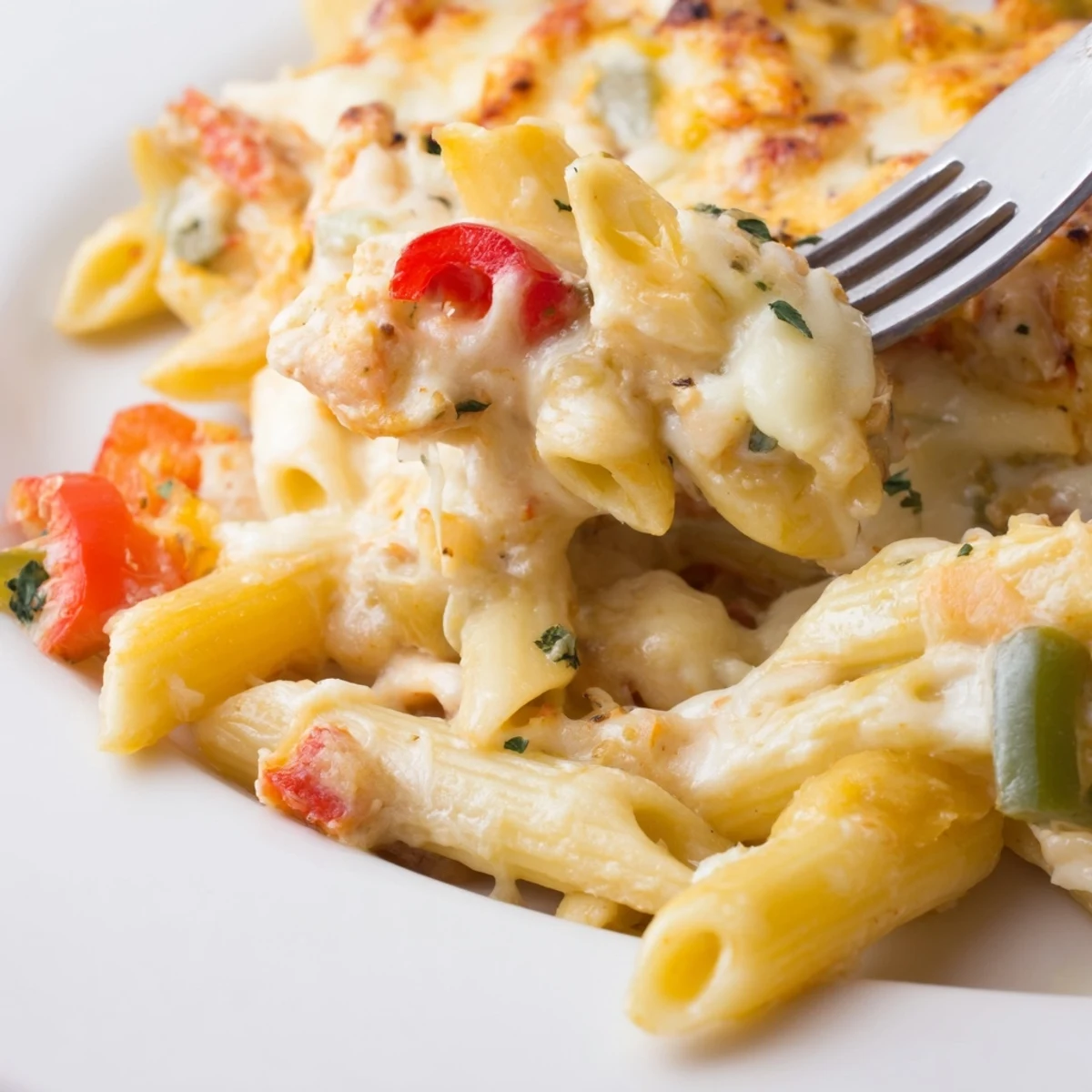
Leftovers reheat beautifully in the microwave though the cheese sauce tightens up overnight so add a splash of milk before reheating to bring back that creamy texture. The pasta continues to absorb liquid as it sits so day two is thicker and almost more like a baked casserole in the best way.
- Store leftovers in an airtight container in the refrigerator for up to three days.
- Freeze individual portions in sealed containers for up to one month though the texture changes slightly.
- Always reheat gently and stir a few times to redistribute the sauce evenly.
 Save
Save Some dinners are just dinner but this one has a way of turning an ordinary weeknight into the kind of evening you remember long after the dishes are done.
Common Questions
- → Can I use different pasta shapes?
-
Yes. Short shapes like penne, rotini or shells trap the sauce and vegetables well; larger tubes or ridged shapes hold the cheesy sauce best. Adjust the simmer time slightly if using very small or large shapes.
- → How do I make this dairy-free and vegan?
-
Replace the cheeses with plant-based shreds and use a neutral plant milk or unsweetened soy for the creaminess. Choose a melting-style vegan cheese for the best melty finish and finish under the broiler briefly if the alternative cheese browns well.
- → Is the broil step required?
-
No. The broil simply adds a golden, bubbly top. You can skip it and serve straight from the stovetop after the cheeses melt, or transfer to the oven for a short bake if you prefer a uniformly browned crust.
- → How can I prevent the pasta from turning mushy?
-
Keep an eye on the simmer time and test for al dente a minute or two early. Stir occasionally to prevent sticking, and use the suggested water amount; if the pan dries too fast, add a splash of water rather than high heat which can overcook the pasta.
- → What are good protein additions?
-
Pre-cooked ground beef, turkey, Italian sausage, shredded rotisserie chicken or cooked beans (like cannellini or chickpeas) all work well. Brown or heat protein in the pan before adding vegetables so it melds into the sauce.
- → How should I store and reheat leftovers?
-
Cool and refrigerate in an airtight container for 3–4 days. Reheat gently on the stovetop with a splash of milk or water to loosen the sauce, or warm in a 350°F oven until heated through. Add fresh parsley before serving.